 EN
EN

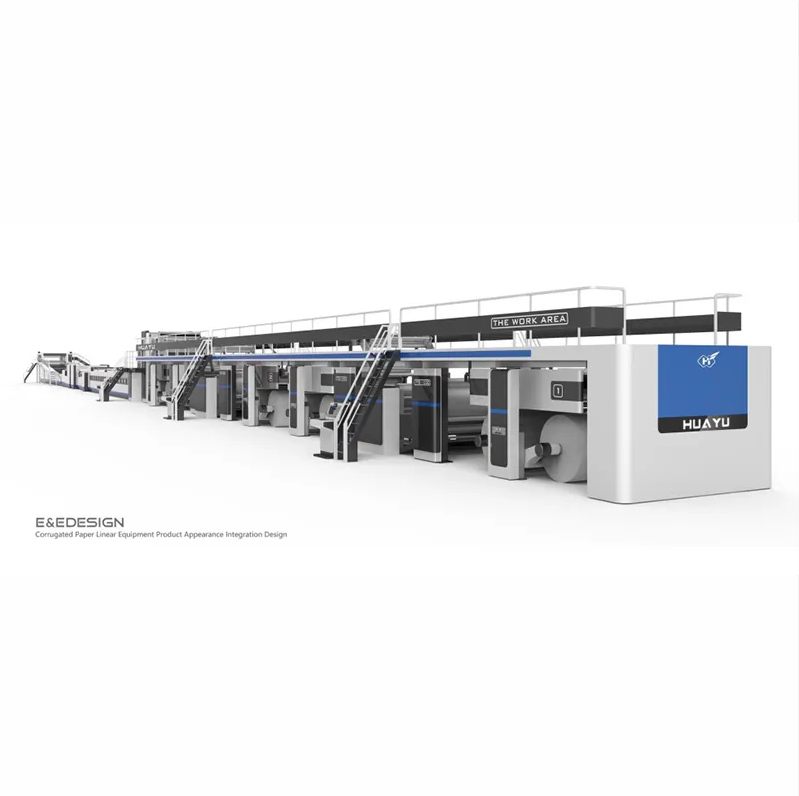
One of the most essential investments is a corrugated board production line; this is the case for every carton manufacturing business. Smooth production line operations translate to timely order fulfilment and cost efficiency. But an unexpected breakdown can lead to downtime that is costly to the business, missed deadlines, and loss of customer goodwill. Proper maintenance is more than fixing the line; it is preventing line breakdowns in order to extend the equipment life and keep production efficient. Avoiding unplanned production halts is ultimately the most efficient way to protect your bottom line. The following tips will illustrate proper maintenance, based on the best advice of experienced equipment suppliers.
Performing Routine Checks to Catch Potential Problems Early
The best method to prevent severe issues is to conduct daily inspections of your corrugated board production line, especially before and after each shift. Small concerns, such as a slight scratch on a roller or a loose belt, may escalate into significant issues if not promptly resolved. A scratched roller may initially leave ugly marks on the corrugated board. However, as time passes, it may damage the material, tear it, or harm other components of the machine. Daily inspections will help you identify and correct these concerns before they escalate.
What should you check for these evaluations? Focus on the moving parts first: rollers, conveyors, and cutting blades. Check rollers for smoothness and for any stuck cardboard debris, as even small damage can throw the line out of sync. Conveyor belts also need tension checks. Slipping belts lowers production and loose belts will cause faster wear and tear. Next, look at the control systems of the machines. Most modern systems will issue low oil and high temperature alerts. Don’t just glance at the screen. Make sure you comprehend all of the alerts and warnings, and that you act on any alerts as soon as you can.
Fluid (such as oil and lubricant) levels must be checked daily. Overheating and breakdowns occur when parts and components rub together and low liquid levels cause this. Checklists make audits easier so your team won’t miss anything. “rollers: no scratches, belts: tight but flexible, oil levels: full, controls: no alerts” is an example. Missing out these simple daily checks will prevent headaches that can occur from a sudden line shutdown because of a seized bearing.
Replace Parts before They Break
Every part of a production line for corrugated boards and every single production line part wears out. Blades dull, bearings get noisy and seals and interfaces leak. The worst thing you can do is wait for a part to break before you change it. For example, a broken blade won’t just stop production. It can ruin the material you cut and waste expensive rolls of cardboard. It is best to avoid the accumulation of "bad" production and misplaced materials.
First, find the “wear parts.” Parts that need more frequent and regular replacement. Common wear parts include cutting blades, conveyor belts, bearings and rubber seals. Check with your equipment supplier (like Huayu Machinery) to know the intervals for replacement parts of the line. They have experience with lines in over 100 countries so they observe different production volumes and wear rates. For example, if your line runs 12 hours a day, a cutting blade could wear out in 3 months. If the line runs for 8 hours, it could take 5 months. This is the useful information for you to create a replacement schedule and replacement plan.
Always use original parts from your supplier, not cheap generic ones. While generic parts may fit, they’re often made with lower-quality materials. A generic bearing, for example, might wear out twice as fast as an original, leading to more frequent replacements and more downtime. Most suppliers keep common wear parts in stock, so you can get them quickly when you need them. You can even automate orders for frequently used parts, so you will never run out and never have to remember to reorder.
Keep Key Components Clean to Avoid Performance Drops
Dirt, dust, and cardboard scraps build up on your corrugated board production line, and this buildup is a silent killer of efficiency. For example, the heating plates that help bond corrugated board can get coated with oil or leftover adhesive. If you don’t clean them, they won’t heat evenly, meaning your board might not stick together properly and you will end up with defective products you have to throw away or will have to slow the line down to fix the issue.
Prioritize cleaning the components that impact performance most significantly. Start with the heating system--every day after production, use a soft, non-abrasive cloth to wipe down the heating plates. Mild cleaning materials suggested by the heating system plates supplier will work, but stay away from harsh abrasives that can ruin the plates. Then, for the cutting and slotting components, cardboard shavings can get stuck in the blades or slots, so check and remove those. Sharp blades can cause injuries, so use a small brush and avoid using your hands. After that, for the conveyor part, brush or vacuum debris on the conveyor belts and the rollers. Debris can cause the belts to slip or leave marks on the boards, and wheels leave debris behind.
Most production lines have air filters that get dusty and should be checked and cleaned to prevent dust from the control system and motors from clogging and overheating. Check your filters weekly--when dust collects on the filters, replace or clean (if they are reusable) filters to prevent overheating and shorts in electrical components. Keeping your line clean and in good working condition takes very little time and effort.
Collaborate with Expert Support for Advanced Maintenance
Certain maintenance work, such as adjusting the corrugating rolls, troubleshooting a computerized control system, or fixing a faulty motor, is complex for a single staff member to do. Engaging in Do-It-Yourself maintenance poses the risk of worsening a mechanical fault or a potential hazard to the safety of your workers. Therefore, collaborating with the professional help of your equipment supplier is a good idea.
With the advancement of technology, a maintenance supplier can offer remote maintenance services. In a facility with computerized control systems, the maintenance supplier can access the system to diagnose the problem. For instance, if the line is operating below expected speeds, the support technician can assess the system to determine if there is a faulty sensor or if some system parameters require adjustment. Consequently, this service can eliminate waiting periods of several days for a technician. If remote problem solving is not sufficient for your business needs, most maintenance suppliers will have field service. To avoid system failures, set regular maintenance intervals (every 6 months) to have a technician check and adjust systems that may not be accessible to you, such as internal gears or wiring. Log these maintenance intervals so that record-keeping can help identify trends and escalating issues. These trends can help inform maintenance schedules and maintenance window scope, preventing larger issues from arising.
Requesting training from your supplier for your staff is another great idea. A supplier training session can help employees learn how to properly perform basic maintenance tasks, such as changing a belt and cleaning a hot plate. It’ll also help them learn how to recognize some warning signs, such as a bearing making a noise that indicates it needs replacement. Many suppliers have large R&D teams and produce great training resources like videos and manuals. Enlisting the help of specialists is not a sign of not doing enough, but of safeguarding your investment, and maintaining your corrugated board line.