 EN
EN

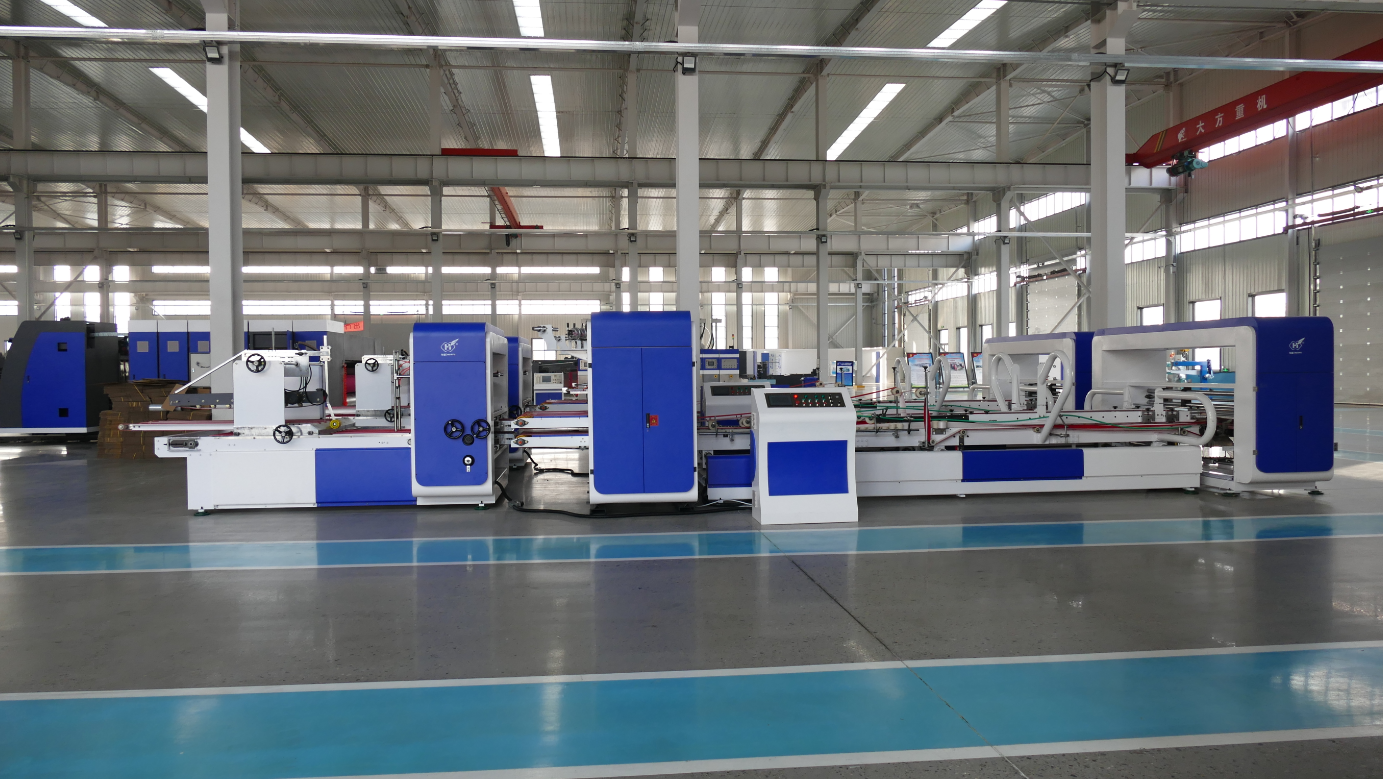
In the carton manufacturing business, a quality folder gluer machine is critical for every production line. Subpar machines can slow production, waste raw materials, and lead to missed deadlines. That's why investing in a dependable gluer isn't just about machine purchasing; it's about investing in the reliability of your business. But the question is: how can you tell if a manufacturer is dependable? It isn't flashy advertisements or low pricing. There are tangible, practical factors that prove they can provide a quality machine and follow-up customer care. This post highlights the main indicators of a manufacturer’s reliability according to trusted industry experts.
Analyze the Experience of the Industry and the Clients they Serve Globally
The level of experience within an industry gives an initial indication of the credibility of a folder gluer machine manufacturer. It is true that new firms may have novel concepts. However, nothing beats the learning that accompanies many years of hands-on experience in the industry to appreciate the complexities of the folder gluer machines. Manufacturers that have been in the industry for many years — for 25 years or more — understand the various challenges that customers encounter. Such extensive experience would help them to make appropriate adjustments to their machines based on actual use rather than theoretical lab tests. They understand that a folder gluer machine must be able to work with varying thicknesses of cardboard and keep up with high-speed production lines to avoid costly breakdowns. Such proficiency is attained only through extensive exposure.
A global customer base is another big sign. If a folder gluer machine maker’s products are used in over 100 countries, it means their machines meet different regional standards and adapt to various production needs. A customer in Europe might need a machine that follows strict environmental rules, while one in Asia might need it to work with local cardboard materials. A maker that can satisfy such diverse demands is far more likely to be reliable. Don’t be afraid to ask for customer references, either. Talking to other businesses that use their machines will give you honest feedback—like how often the machine breaks down or how fast the maker responds to issues.
Assess The Equipment's Quality and Certifications
Reliability comes from the quality of the folder glue machine itself. A dependable maker will not skimp on production and materials. One simple way to assess this is their certifications. International certifications such as ISO 9001 (for quality management) and the EU CE (for safety and compliance) are not just simple pieces of paper. They mean the maker adheres to rigorous requirements from design, production, and assembly of the machine. For example, ISO 9001 mandates regular inspections of production processes, guaranteeing that every folder glue machine made is of the same high standard.
Inquiring about the parts and materials used can provide valuable insights about makers. Trustworthy makers utilize high-end materials - like robust steel for the machine frame and durable, high-quality bearings. Some even employ modern production techniques like CNC drills and CNC machining. This guarantees precision in assembly, which significantly minimizes the risk of breakdowns. Whenever possible, try to visit the maker's factory (or request a virtual tour). Watching assembly and the level of cleanliness of the shop in addition to the stringency of the quality control will tell you a lot about how they value quality. A dirty factory with no obvious control systems is a warning sign - you don’t want a machine produced in those conditions.
Evaluate Help Desk and After-Sales Support
We know how costly a folder gluer machine can be. Even top tier machines can encounter problems, which means that reliable makers depend on after-sales support. The last thing you want is to buy a machine, and then hit a dead end trying to get troubleshooting help. Good makers have quick and reliable support, which starts with remote maintenance. Most folder gluer machines now have computers which control the gluing process, so the maker can remote fix issues. For example if the machine is gluing boxes unevenly, a technician can adjust a few settings and guide your team to fixing it in minutes without a site visit.
For more complicated problems, like a busted motor or a damaged frame, on-site service is essential. Good manufacturers have technicians located in various places. That way, they can dispatch someone to your plant quickly, usually in a day or two. They must have some training available for your employees, too. Instruction on the basic operation and maintenance of the folder gluer machine can prevent small problems from getting larger. For instance, training can teach staff how to clean the gluing nozzles, allowing the machine to function optimally without major problems. Additionally, don’t forget to inquire about spare parts. The manufacturer should have common parts, such as belts, blades, and gluing rollers. Your production line will be down for months while waiting on a spare part, so a manufacturer who quickly ships common parts is much more dependable.
R&D Capabilities and Innovation
The carton industry is always evolving. Customers are asking for machines that are faster, more flexible, or more energy-efficient. This requires strong R&D capabilities, and a reliable folder gluer machine maker will be able to recognize and respond to these shifts. A maker's R&D capabilities can be gauged by the staff headcount and how much they are willing to spend. If the maker has over 30 R&D staff, they have the capacity to build and improve technologies rather than just reproducing existing designs.
R&D staff generate new and improved innovations for the folder gluer machines. For instance, some manufacturers have created machines that auto-detect and spot bad boxes, automatically stopping the machine to reduce waste. Other innovations offer auto-bundling capabilities, meaning the machine not only folds and glues boxes but also stacks them as a bundle. These additions demonstrate that the maker is aware of your production line and is interested in improving it. Also, inquire about the product update cycle and new models or performance upgrades. Otherwise, outdated machinery will be a liability in a few years.