 EN
EN

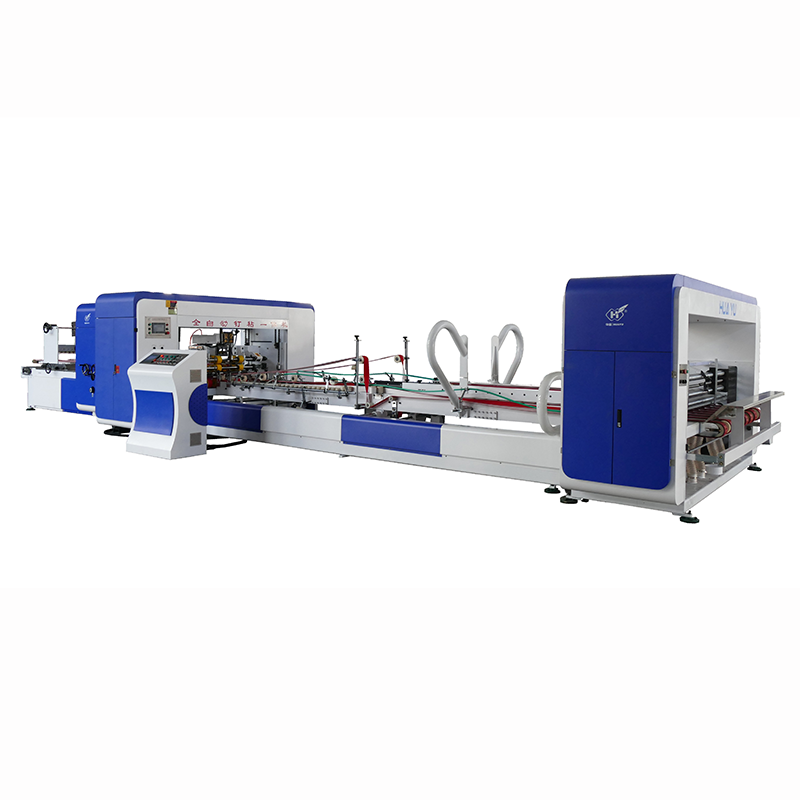
Average Lifespan of an Automatic Folder Gluer Machine
Automatic folder gluer machines that get good care usually last somewhere between 10 to 15 years in most cases. But this isn't set in stone at all. The actual lifespan varies quite a bit depending on how hard they're worked, what kind of environment they sit in, and whether someone actually remembers to maintain them properly. Machines that run nonstop in busy production lines tend to break down faster because parts like bearings, drive systems, and those folding mechanisms just wear out quicker. Some reports suggest these constant runners might only last half as long if nobody does regular maintenance on them. On the flip side, when operators stick to proper maintenance routines like oiling moving parts regularly, checking calibrations, and keeping an eye on components showing signs of wear, it's not uncommon for these machines to keep going past 15 years straight. What goes through the machine matters too. Thick or oddly shaped cardboard puts extra strain on everything. And let's face it, too much moisture in the air messes with glue setting times and rusts metal parts over time. At the end of the day, the real measure of how long these machines will last has less to do with counting birthdays and more to do with how seriously operators take their daily maintenance duties.
Key Factors That Influence Automatic Folder Gluer Machine Longevity
The lifespan of an automatic folder gluer machine hinges on two primary factors: inherent design quality and operational demands. Understanding these variables helps packaging facilities optimize equipment investments.
Build Quality and Critical Component Wear (Bearings, Gears, Drive Systems)
How well something is engineered affects how long it lasts in the real world. Take machines built with top quality steel alloys as an example these frames just don't bend or warp when heavy loads are applied. The same goes for components like hardened bearings and those spiral cut gears they create much less friction over time which means less wear and tear overall. Look at industrial drive belts specifically good ones stay properly tensioned about 40 percent longer than regular belts when put through similar work cycles this was actually found in some material fatigue studies from the Journal of Manufacturing Reliability back in 2022. Poor quality parts simply can't handle repeated use without breaking down faster. That's why manufacturers who care about durability always start with better materials because ultimately the quality of construction defines what kind of lifespan a product can realistically expect.
Operational Load: Speed, Material Complexity, and Environmental Conditions
The amount produced each day has a clear connection to how fast equipment wears down. Machines that handle more than 20 thousand boxes daily put about three times as much strain on their folding parts compared to those running at lower volumes. When working with materials that aren't consistent in thickness, especially corrugated cardboard, the adjustment systems tend to break down quicker than when dealing with regular board stock. Environmental factors only make things worse. Humidity staying above 60 percent for extended periods speeds up rust formation on metals. Airborne dust particles actually raise the chance of bearing failures by around 27%, something noted in last year's Industrial Maintenance Journal. Plants located in tough conditions see the biggest improvements when they invest in sealed parts, maintain controlled temperatures within the facility, and install good quality air filters throughout the operation area.
Proven Maintenance Strategies to Maximize Automatic Folder Gluer Machine Life
Preventive vs. Predictive Maintenance: Best Practices for Sustained Performance
Preventive maintenance works on set schedules, such as when we need to lubricate drives or check gears after about 500 hours of operation, all aimed at stopping surprises down the road. On the other hand, predictive maintenance uses live data from sensors measuring things like vibrations and heat levels to spot early signs of bearing problems before they actually cause equipment shutdowns. According to a study published in the International Journal of Production Engineering last year, these predictive techniques cut down on unexpected stoppages by around a quarter compared to just following the calendar for maintenance. What most companies find works best is combining both approaches. Keep doing those regular checks every three months manually, but also install some smart sensors on parts that tend to wear out fast, like the folding units and glue dispensers where breakdowns happen most often.
Essential Servicing Intervals: Belts, Lubrication, Calibration, and Sensor Checks
Consistency in servicing intervals is foundational to longevity. Adhere to this evidence-informed framework:
- Belts: Replace every 3–6 months, adjusted for actual operating hours
- Lubrication: Apply food-grade grease weekly to chains and guide rails—proper lubrication reduces component wear by up to 40%
- Calibration: Verify folding accuracy bi-weekly using standardized test cartons to ensure dimensional consistency
- Sensors: Clean optical sensors daily; validate functionality monthly to prevent misalignment or glue application errors
Operators should log all maintenance actions using standardized checklists. This discipline prevents adhesive buildup in glue applicators and supports traceability for root-cause analysis when issues arise. Never extend intervals beyond manufacturer specifications without engineering validation.
When to Replace vs. Refurbish an Automatic Folder Gluer Machine
No matter how well maintained they are, all automatic folder gluer machines will hit their limit sooner or later. When considering refurbishment options, check if the basic parts still hold up - things like the frame, main drive system, and overall control setup need to be in decent shape first. Upgrading specific components such as bearings, sensors, or even just replacing old glue applicators can actually give these machines another 5 to maybe 7 years of good service for around 40 to 60 percent of what a brand new one would cost. But there comes a point where spending money on repairs gets silly. If fixing something costs more than 70% of buying something new, it's probably time to think differently. Especially true when machines keep breaking down repeatedly or when older tech simply won't work properly with today's manufacturing execution systems (MES) or automated production lines.
The production profile plays a big role in this decision too. Facilities that regularly operate under 60% capacity tend to get better returns on investment through refurbishment work. On the flip side, high output operations usually see bigger benefits from investing in new equipment that cuts energy costs by around 30% and boosts production speeds by about 15 to 20%. When dealing with harsh environments such as constant humidity or areas with lots of dust particles floating around, it makes sense to consider replacement options once maintenance expenses start eating into more than 15% of what gets spent each year running the operation. Before putting any money down though, companies should run a proper lifecycle analysis looking at all costs involved over time, factoring in things like electricity consumption, how efficiently workers can interact with the machinery, and whether the equipment will still fit future manufacturing needs down the road.