 EN
EN

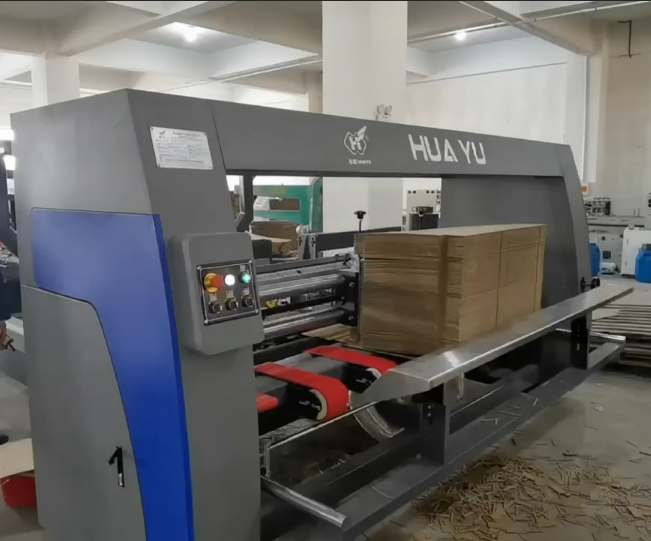
Understanding Carton Folder Gluer Machine Capabilities and Limitations
Carton folder gluers definitely make box making faster, though they do have their limits when it comes to what they can handle physically and materially. Most machines work best within certain size ranges. The specs usually say something like between around 100 by 50 by 20 millimeters all the way up to about 1200 by 800 by 600 millimeters for blanks. Going beyond those numbers tends to mess up folds or even jam the machine completely. Weight matters too. Putting too much strain on the system wears down the drives and feeding parts, particularly noticeable when working with heavy duty double wall cardboard that's over 800 grams per square meter. These thicker materials often need special reinforcement in the feeding area to prevent breakdowns during operation.
Compatibility issues with materials present yet another major problem for manufacturers. Regular setups just can't handle things like coated papers, silicone treated surfaces, or those heavy duty recycled materials unless they have special glue nozzles or those preconditioning rollers added to the line. These kinds of material mismatches actually account for about 40 percent of all packaging waste when changing sizes, as shown in the Ponemon Institute study from 2023 on packaging efficiency. Industry groups like IAPRI regularly point to this statistic, and it even shows up in the ASTM D6400-22 standards document about how adhesives should perform under different conditions.
Rigorous throughput testing under real-world production conditions remains essential before launching mixed-size runs. This step validates not only dimensional adaptability but also thermal stability, glue adhesion consistency, and long-cycle mechanical reliability.
Step-by-Step Carton Folder Gluer Machine Adjustment for Size Changes
Implementing precise, repeatable adjustments ensures seamless transitions between box dimensions—minimizing downtime while preserving structural integrity and glue bond strength across production runs.
Feeder and folding section calibration: synchronizing timing, pressure, and crease alignment
First thing's first, adjust that feeder chain pitch so it matches whatever carton length we're working with these days. Then get those guide rails just right – aim for about half a millimeter clearance based on the board thickness. Watch out here: too much pressure will flatten those corrugated flutes completely, but if there's not enough pressure at all, we'll end up with all sorts of feed problems down the line. When setting up, make sure the feeding mechanism works hand in hand with those folding plates. Look for those registration marks printed on our test samples to get things lined up properly. For folding rollers, we generally want around 15 to 20 percent compression on those crease lines. If we're dealing with heavier materials above 400 grams per square meter though, we need to bump that number up accordingly. Never skip checking fold accuracy against those official template gauges either. Trust me, nobody wants to approve an entire batch only to find out later something was off just because we rushed through this part.
Gluing unit optimization: nozzle positioning, glue volume, and pattern adaptation by substrate and size
Set glue nozzles approximately 3 to 5 millimeters away from where they'll actually apply glue on the cartons. This gives room for the box material to expand when compressed and stops excess glue from getting everywhere. When working with coated papers or those filled with clay, cut back on the glue amount by around 30%. Too much can soak through and cause layers to separate. On the flip side, absorptive kraft liner materials need about 20% more glue output to make sure everything sticks properly. Small boxes under 200 mm in size require special attention. Switching to an intermittent glue pattern here helps keep things clean inside the box while saving on adhesive costs. Keep PVA adhesive temperatures right around 60 degrees Celsius, give or take 2 degrees. This maintains proper consistency and working time, which becomes really important when switching between different sized products quickly. Always check for consistency using ribbon tests. Aim for glue beads that measure consistently between 1.5 and 2 mm wide across standard RSC flaps.
Specialized Adjustments for Lock Bottom and RSC Box Styles
Lock bottom hook positioning, tuck-in board alignment, and paper pressing rod settings
Getting those lock bottom boxes right requires pretty exact coordination between how the hooks engage, where the tuck-in board moves, and what kind of force the pressing rods apply. When hooks aren't aligned properly, tabs tear or just bounce back out. And if that tuck-in board isn't positioned correctly, panels won't interlock consistently - real problem for crash-bottom styles since timing determines whether they actually lock in place at all. The paper pressing rods need to find that sweet spot with pressure too. Too much force crushes the flutes in the cardboard, but not enough pressure means folds don't complete properly. Meanwhile, regular RSC boxes focus more on getting those flaps folded accurately and ensuring closures stay secure instead of worrying about hook synchronization. For these boxes, the real calibration work happens with how long rollers stay in contact and where exactly glue gets applied during production.
The report from Corrugated Packaging Alliance in 2023 shows these adjustments cut down setup time around 27% on average. Field observations from top OEM service teams back this up too. When it comes to keeping glue absorption consistent, there's something important about checking how much pressure works best for different materials. The problem gets tricky when moving from regular virgin kraft paper to those boards with lots of recycled content. The porosity changes so the pressing force needs adjusting accordingly if we want good results every time.
Table: Key Adjustment Targets for Common Box Styles
| Component | Lock Bottom Box Focus | RSC Box Focus |
|---|---|---|
| Mechanical Priority | Hook/tab synchronization | Flap folding precision |
| Pressure Criticality | High (structural integrity) | Medium (closure security) |
| Calibration Tolerance | ±0.5mm | ±1.0mm |
Verifying Adjustment Accuracy and Minimizing Waste in Mixed-Size Runs
Quick-check protocols: fold integrity, glue coverage, and stack stability validation
Whenever there's a size change happening on the line, we need to jump right into our verification routines. First things first, check those creases are sharp enough and make sure the flaps align properly across at least five sample boxes. Then comes the UV tracer dye stuff which became pretty much standard practice around 2019 according to that TAPPI document (T 559 om-21 if anyone cares). This helps spot any glue problems like gaps, streaks or when someone applied way too much adhesive. Don't forget the compression tests either. Run them for about half an hour on some mixed size pallets to see how they hold up in conditions similar to what we find in warehouses. The good news? These quick checks catch roughly 9 out of 10 setup issues right at the start of production, so we avoid wasting materials later when everything goes into full scale manufacturing.
Balancing precision and flexibility to reduce setup time and scrap in high-variability production
Optimize changeover efficiency through modular tooling, digital preset libraries, and standardized operator workflows. Facilities using validated adjustment sequences report 35% fewer misaligned units, per the 2023 Packaging Trends Report from the Flexible Packaging Association (FPA). Proven strategies include:
- Installing quick-release mechanisms for folding rails and guide systems
- Storing substrate-specific glue pattern templates for recurring jobs
- Applying predictive maintenance to high-wear components like glue nozzles and creasing rollers
Flexible yet disciplined calibration protocols maintain dimensional accuracy while cutting average setup time by 15–20 minutes per transition—directly reducing corrugated scrap in short-run, high-mix environments.