 EN
EN

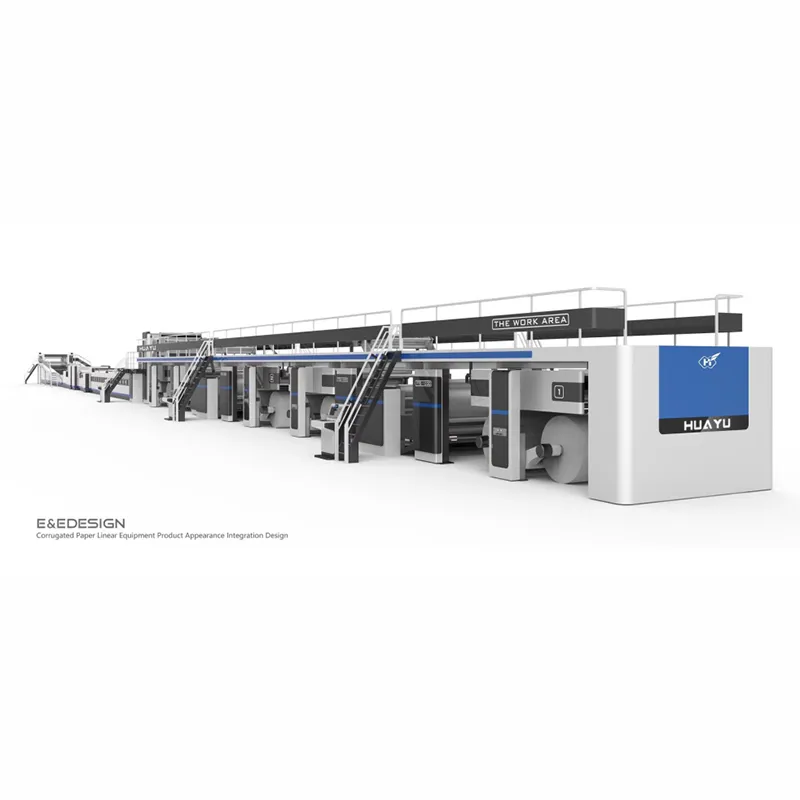
Machine Specifications and Compatibility with Production Needs
Understanding Core Specifications of Corrugated Box Production Machinery
Selecting corrugated box production machinery requires precise alignment between technical specifications and operational goals. Key metrics include production speeds (15–80 meters/minute), maximum paperboard thickness capacity (150–300 GSM), and machine dimensions. For example, systems requiring 2.8-meter-wide paper rolls cannot support machinery designed for 1.6-meter rolls without costly retrofitting.
Evaluating Corrugating Type and Its Impact on Output Quality
Corrugator type directly determines box durability. Single-facer machines produce basic liners, while double-facer systems bond multiple layers for heavy-duty packaging. A 2023 industry study found double-walled boxes from dual-facer machines withstand 38% higher stacking pressures than single-walled alternatives. Flute profiles (A, B, C) further affect shock absorption and print surface quality.
Role of Size and Configuration in Line Compatibility and Integration
Machinery footprints (typically 15–60 meters long) must align with facility layouts to avoid workflow bottlenecks. Modular designs allow phased integration with existing die-cutters or flexo printers. Notably, 72% of manufacturers prioritize machines with ⏜12-hour reconfiguration times for multi-product workflows.
How Machine Design Affects Paperboard Compatibility
Adjustable roller gaps (0.5–3.5 mm) enable seamless transitions between kraft, recycled, or coated paper grades. Systems with automated tension control reduce warp defects by 52% during high-speed runs compared to manual counterparts, according to 2024 corrugation trials.
Production Capacity, Speed, and Scalability
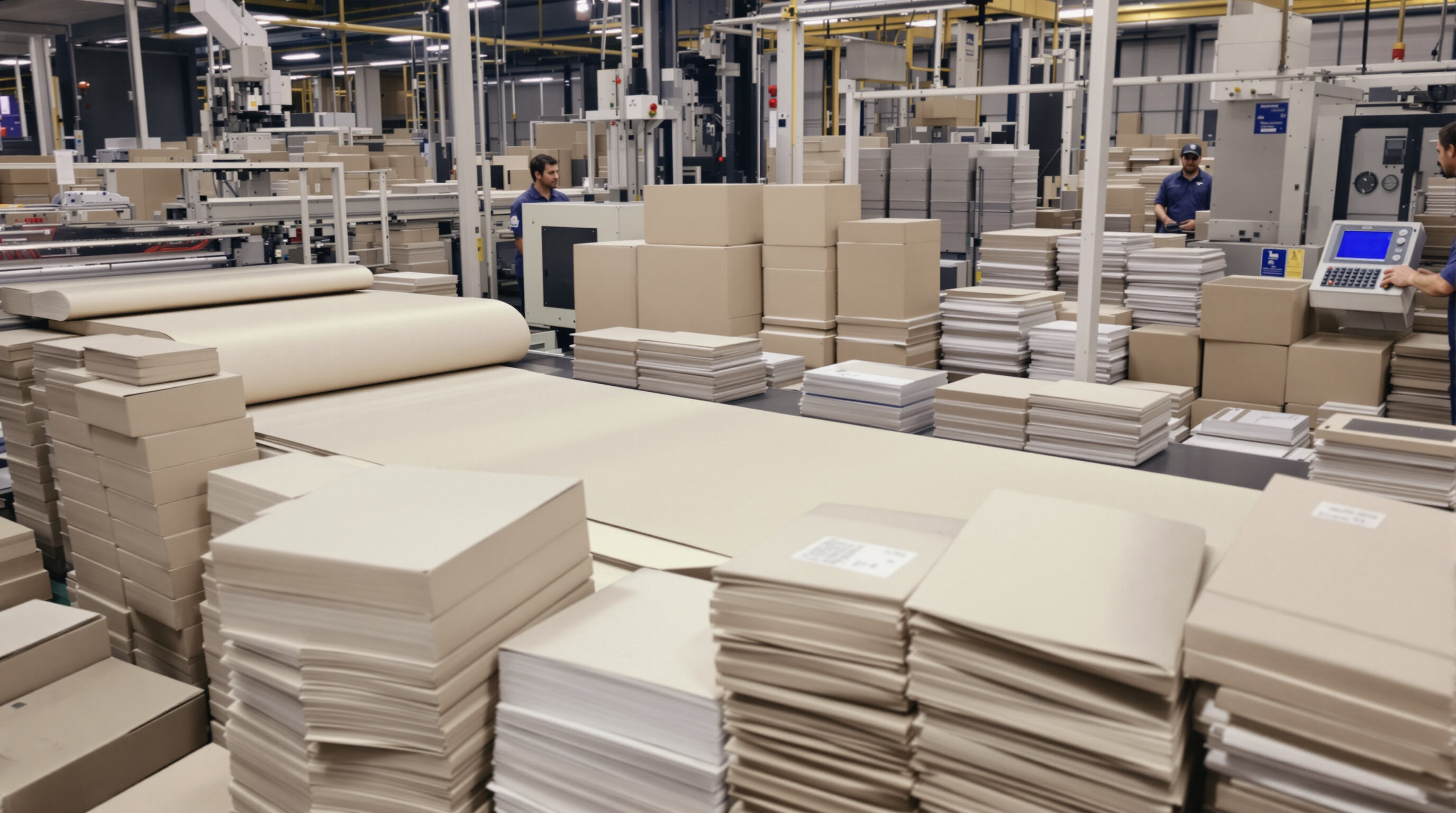
Matching Production Capacity and Demand with Machine Output
When picking out corrugated box production machines, matching up how many hours the machine can run versus what the business actually needs becomes pretty important. According to some research from PMMI back in 2023, nearly 60% of these box manufacturing sites aren't even using their equipment at full capacity most of the time. That kind of underutilization costs around $740,000 each year just for average sized operations. How much a machine produces really hinges on two main factors: how fast it can crank out those cardboard sheets per hour and whether it works well with different widths of paperboard material. Take a standard 2.5 meter wide production line making B-flute boxes for instance. These typically manage about 18 thousand sheets every hour which might be okay if serving local markets but falls short when dealing with international shipping demands. Getting the specs wrong either way creates problems. Buying bigger machines than needed just sits there collecting dust and wasting money, whereas going too small means paying extra for workers to stay late or bringing in second shifts, neither of which anyone wants during already tight budget periods.
Analyzing Production Speed Versus Operational Efficiency and Costs
High-speed corrugators (300+ lineal meters/minute) reduce per-unit labor costs but increase energy consumption by 20% compared to standard models. Balance speed gains against hidden expenses:
- Energy Costs: High-speed lines consume 38 kWh per ton vs. 28 kWh for moderate-speed systems
- Maintenance Intervals: Gearboxes require servicing every 1,200 hours at 250 m/min vs. 2,000 hours at 180 m/min
- Waste Rates: Average defect rates climb from 1.8% to 3.4% when exceeding 280 m/min
Level of Automation and Labor Efficiency
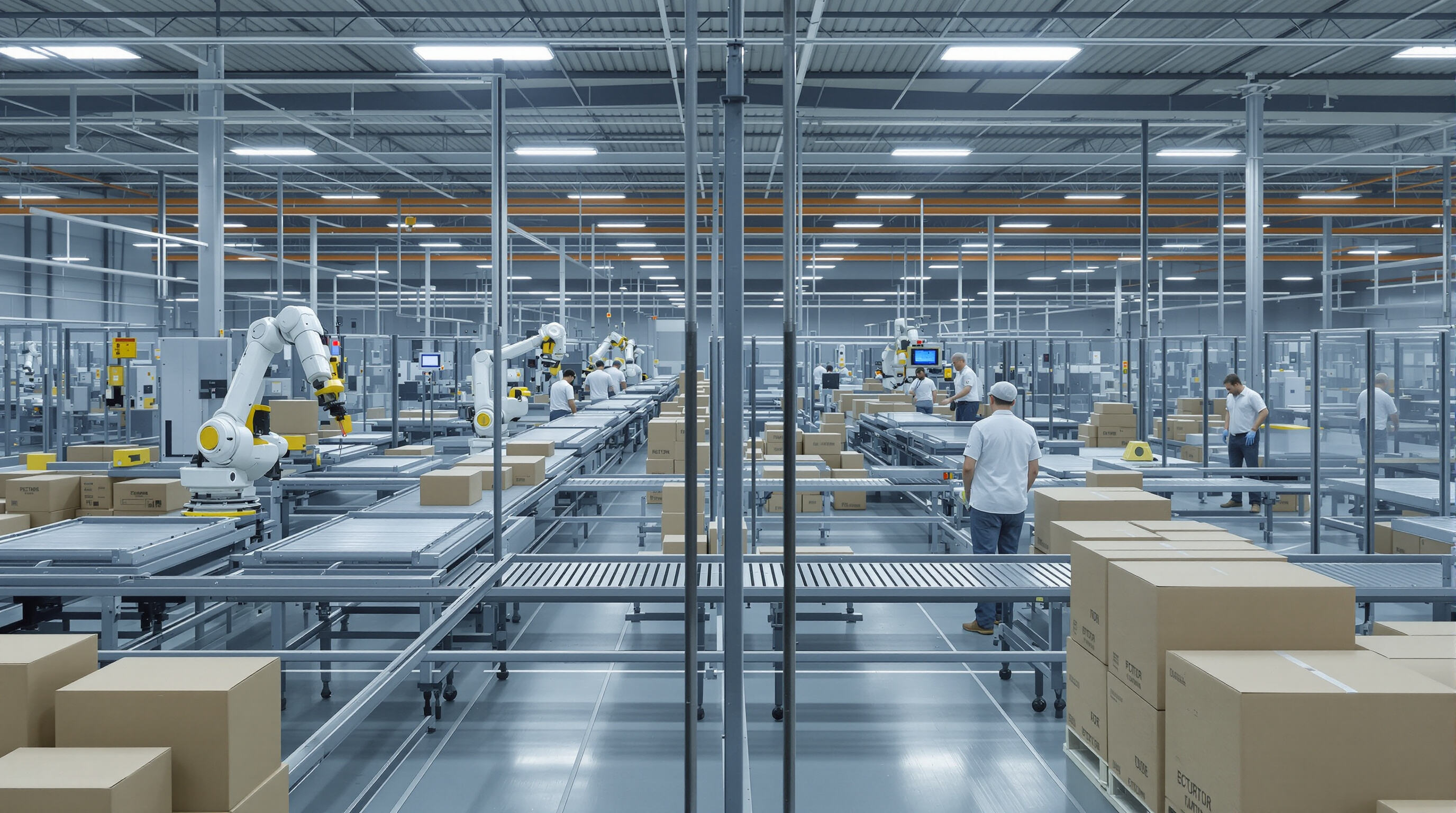
Selecting the right level of automation in corrugated box production machinery directly impacts operational efficiency and workforce dynamics. Modern systems range from manual setups requiring constant oversight to fully automated lines operating with minimal intervention.
Assessing Automation Level to Reduce Labor Requirements
Going fully automated cuts down on manual work by around three quarters when compared to old school methods. These systems can crank out about 1500 units every hour and only need six man hours during each shift. For companies that want something between full automation and doing everything by hand, semi-automated setups make sense. They save about half the labor time but still let workers tweak things for special order boxes. The trick is figuring out if the volume being produced actually warrants spending extra cash upfront on robots for stacking or those fancy AI quality check modules. Small operations might find themselves stuck between wanting efficiency gains and keeping capital expenditures reasonable.
Impact of Automation on Production Costs and Consistency
Switching to automated production lines can cut down on operating costs by somewhere between 30 and 50 percent while also slashing defect rates nearly in half compared to what happens when things are done manually. The machines come equipped with energy saving motors and super accurate sensors that really cut back on wasted materials. And this matters a lot because paperboard alone eats up around two thirds of all costs in box manufacturing. There's definitely a catch though. Most factory managers we've talked to mention their teams usually take about five to six months getting used to working alongside these high speed machines. During this period productivity drops roughly 15 to 20 percent as workers learn new rhythms and adjust to the faster pace.
Industry Paradox: High Automation vs. Workforce Adaptability
Around 78 percent of manufacturers are really into self adjusting machines because they help cover up skill shortages in their workforce. But here's the catch - about two thirds find it tough keeping hold of workers who know how to manage these fancy systems. According to some research from last year on manufacturing flexibility, nearly all production managers want machinery that lets them tweak automation settings as needed. Getting this right means factories can crank out more stuff when business picks up without losing those specialized roles like someone who folds boxes with precision or applies special coatings. These jobs still matter even as technology advances.
Operational Efficiency, Energy Use, and Maintenance
Measuring Operational Efficiency and Costs Through Energy Consumption
The machines used for corrugated box production eat up between 38 and 42 percent of all energy consumed at mid-sized facilities, which is why keeping tabs on efficiency has become so important lately. Plant operators need to watch their kilowatt hours per ton of product closely. Newer equipment typically manages around 2.9 kWh per ton or better, while older systems tend to guzzle closer to 4.1 kWh per ton on average. And don't forget about those hidden energy drains either. Using infrared cameras can spot overloaded motors in fluting units that might be wasting anywhere from 12 to 15 percent extra power without anyone even noticing.
Predictive Maintenance and Its Role in Minimizing Downtime
Advanced vibration analysis systems reduce unplanned downtime by 53% by detecting roller bearing wear 4–6 weeks before failure. Facilities using AI-driven predictive models report 22% fewer production stoppages compared to calendar-based maintenance. This approach optimizes replacement part inventories while maintaining 98.6%+ line availability.
Long-Term Savings Through Reduced Maintenance Requirements
Self-lubricating track systems and hardened steel cutters decrease annual maintenance costs by $24,000–$31,000 per line. Plants adopting modular designs see 68% faster component replacements, translating to 190+ additional production hours yearly.
Manufacturer Reputation, Support, and Future-Proofing
Evaluating Materials and Workmanship in Corrugated Box Production Machinery
The durability of corrugated box production machinery hinges on material selection and engineering precision. High-grade steel frameworks and hardened corrugating rolls minimize wear, while polymer-based components in feed systems reduce friction-related failures. Equipment using ISO 21940-balanced shafts demonstrates 22% lower vibration levels compared to non-certified alternatives.
Linking Machine Quality and Reliability to Manufacturer Reputation
Leading manufacturers’ adherence to stringent quality standards directly impacts machine longevity, with industry reports showing a 40% reduction in breakdown frequency compared to generic alternatives. Operators should prioritize suppliers with documented customer satisfaction histories and proven after-sales support capabilities.
Warranty and Service as Indicators of Long-Term Trust
Industry leaders typically offer 3–5 year warranties (with optional extensions) covering critical components like corrugating rolls and glue applicators. Factories leveraging these plans report 18% lower annual maintenance costs, as predictive maintenance protocols prevent unplanned downtime.
Importance of Training and Support for Seamless Integration
Comprehensive training programs reduce operator error by 35% during machine commissioning. Modules should cover fault diagnostics, speed optimization, and safety protocols tailored to automated line configurations.
Access to Technical Support During Critical Production Phases
24/7 remote assistance platforms resolve 73% of operational issues within two hours, minimizing disruptions during high-volume runs. This is particularly vital for plants operating <200 GSM paperboard, where humidity fluctuations demand real-time adjustments.
Future-Proofing with Upgrades and Enhancements
Modular designs allow integration of IoT-enabled sensors and energy-efficient drives without full line replacements. For example, retrofitting servo-driven cutters slashes energy use by 12% while boosting cutting accuracy to ±0.3 mm tolerances.
Table of Contents
- Machine Specifications and Compatibility with Production Needs
- Production Capacity, Speed, and Scalability
- Level of Automation and Labor Efficiency
- Operational Efficiency, Energy Use, and Maintenance
-
Manufacturer Reputation, Support, and Future-Proofing
- Evaluating Materials and Workmanship in Corrugated Box Production Machinery
- Linking Machine Quality and Reliability to Manufacturer Reputation
- Warranty and Service as Indicators of Long-Term Trust
- Importance of Training and Support for Seamless Integration
- Access to Technical Support During Critical Production Phases
- Future-Proofing with Upgrades and Enhancements