 EN
EN

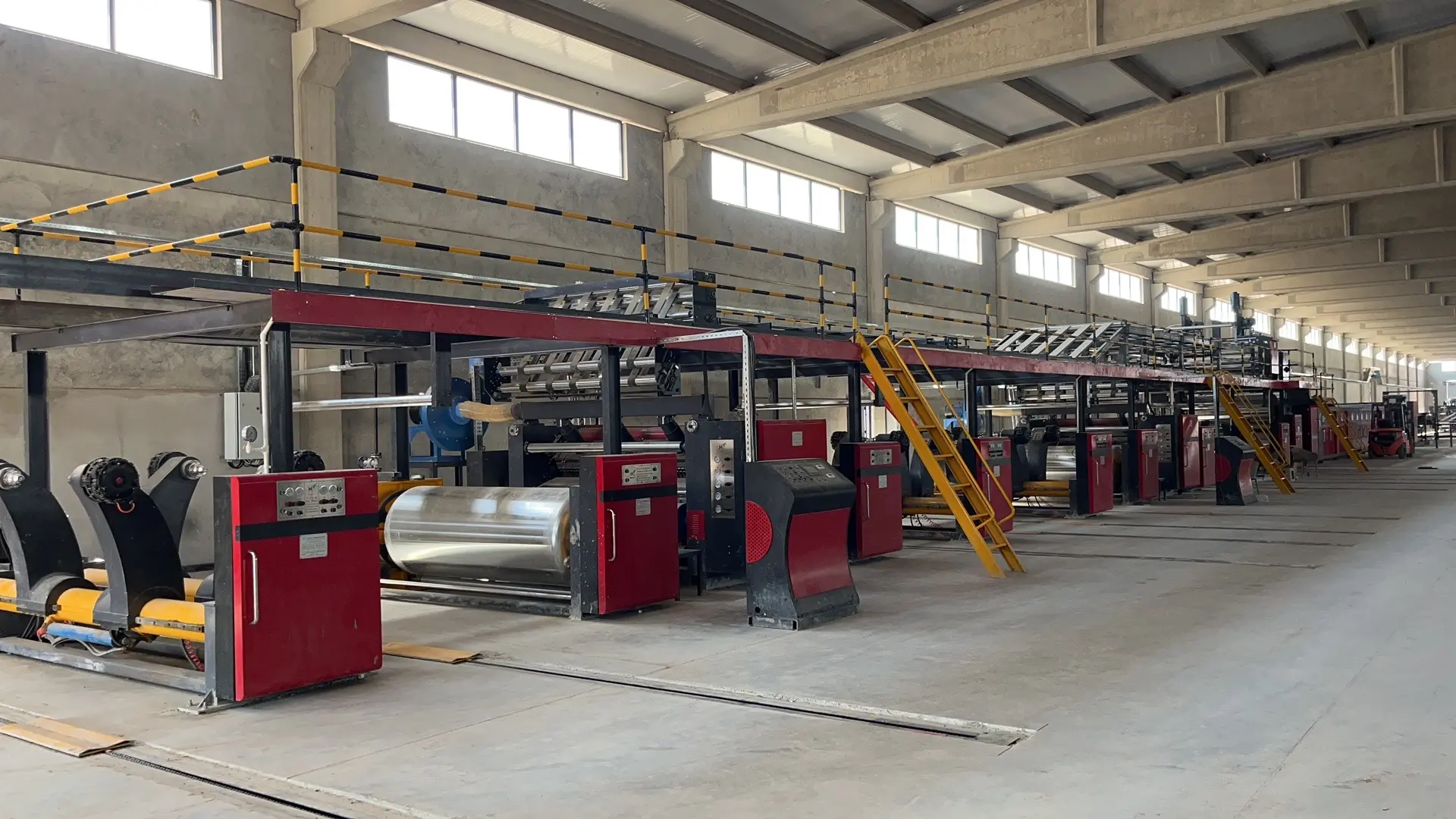
Assessing Business and Product Requirements for Custom Box Lines
Designing a custom corrugated carton box line starts by analyzing three critical factors: product protection needs, supply chain constraints, and brand differentiation goals. A 2023 Packaging Digest study found 68% of e-commerce businesses now require product-specific packaging to reduce shipping damages by 19–34% compared to standard boxes.
Understanding the Rise in Demand for Product-Specific Packaging
Consumer expectations for presentation and sustainability drive demand for tailored solutions. Brands using custom-designed boxes report 23% higher customer retention (Smithers 2024), while optimized dimensions decrease void fill material usage by up to 40%.
Mapping Product Specifications to Box Design Parameters
Precision measurement guides every design choice:
- Weight: Products over 20 lbs require double-wall construction (¥200# burst strength)
- Fragility: Glass items need ¥2" cushioning gaps with partition inserts
- Climate Risks: Humidity-sensitive goods demand wax-coated corrugated boards
This data-driven approach ensures packaging solutions meet exact needs without compromising production speed or cost thresholds.
Designing Box Dimensions, Structure, and Material Strength
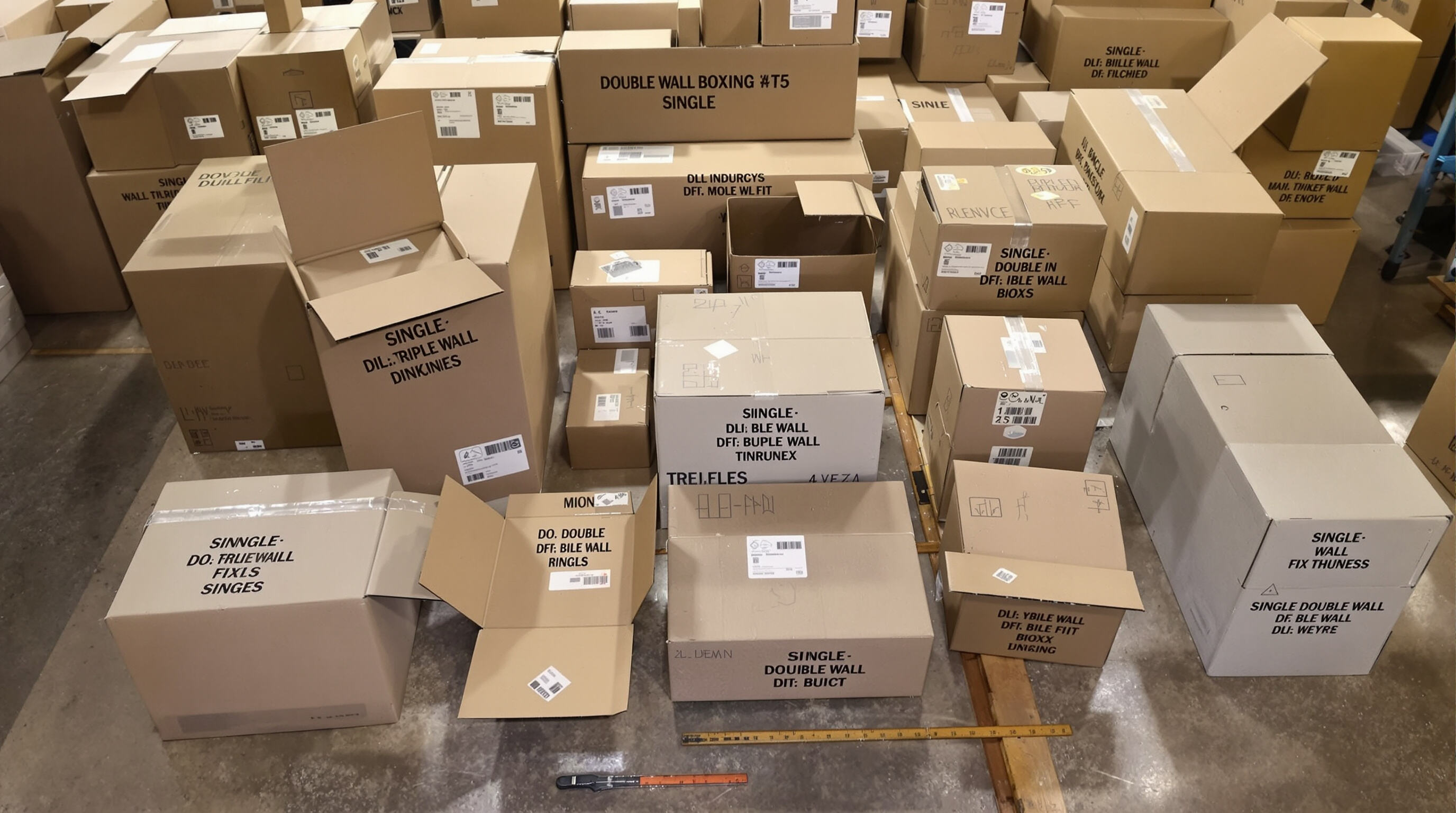
Customizing Box Dimensions for Optimal Product Fit
Getting accurate measurements begins inside out. Start by taking note of the product's actual height, width, and depth, then give it some breathing room by adding around 6 to 15 millimeters for materials and padding needs. When dealing with oddly shaped items, many professionals turn to computer-aided design templates these days. These help save space without compromising how sturdy the package remains. Recent research from last year showed something interesting too. Packages that were about 12% bigger than what they contained actually cut down on shipping damage by nearly a quarter when compared to those packed tightly together. Makes sense really, because there's less chance of things getting crushed during transport.
Selecting Box Styles: RSC, HSC, Telescope, and Rigid Boxes
- RSC (Regular Slotted Container): Ideal for lightweight items like apparel, with 72% market share in e-commerce
- HSC (Half-Slotted Container): Adds removable lids for frequent-access industrial parts
- Telescope Design: Nested trays for fragile electronics or multi-component kits
- Rigid Boxes: Reinforced panels for luxury goods, supporting 40% higher stacking loads
Ensuring Stackability, Drop Protection, and Ergonomic Handling
When designing packaging solutions, it makes sense to create footprints that fit standard pallet dimensions according to GMA guidelines (around 1,016 x 1,219 mm). This helps avoid those frustrating warehouse alignment issues we all know too well. To protect against drops during transport, many manufacturers are turning to B-flute sidewalls with thickness between 2.5 and 3.0 mm. These work best when paired with boxes that have Edge Crush Test ratings of at least 44 pounds per square inch. And let's not forget about ergonomic handles either! A recent study conducted by DHL in 2023 found something interesting: packages weighing more than 8 kg had significantly lower abandonment rates when they included these convenient handles. The difference? About 19% fewer abandoned packages overall, which translates to real savings for companies dealing with heavy shipments.
Optimizing Flute Types, Materials, and Printability
Selecting Corrugated Flute Profiles: E-Flute, B-Flute, EB-Flute, and Micro-Flute
When it comes to packaging solutions, E-Flute at around 1.5mm thick offers a nice middle ground between good printing results and adequate protection for things like makeup or small beauty products. The flute count hits about 90 per foot which helps keep those printed designs looking sharp even after transport. Then there's B-Flute measuring 3mm thick that most people see every day in standard shipping cartons. These boxes handle shocks pretty well and work great on those automatic packing machines found in warehouses everywhere. For really tough jobs involving heavy machinery parts or construction materials, manufacturers often turn to EB-Flute. This combines the smooth printing surface of regular E-Flute with the strength of B-Flute in a double wall configuration that measures approximately 4.5mm overall. And let's not forget Micro-Flute at just 1mm thick. Retailers love this stuff for fancy displays and product presentations because it takes up less room while still allowing for detailed brand logos and artwork that stand out on store shelves.
Balancing Material Strength, Print Quality, and Production Equipment Needs
The semi-chemical fluting range between 112 and 175 GSM gives better rigidity for shipping perishables while cutting down on material waste by about 18 percent when compared to what we used before according to last year's Packaging Efficiency Report. Finer flute types such as E and F present another challenge though they need special flexo printers just to keep those tiny logo edges sharp and clear. We've seen some real headaches in production lately. One industry survey showed that nearly two thirds of all delays happen because the flute profiles don't match up properly with the die cutting machines being used.
Incorporating Protective Features and Interior Customization
Designing Custom Inserts, Dividers, and Cushioning Solutions
Custom inserts reduce product movement by 73% during transit (Packaging Insights 2024), making them critical for fragile items like glassware or electronics. Molded EVA foam and corrugated partitions absorb shock while optimizing space – a leading medical device manufacturer cut shipping damage claims by 92% using compartmentalized inserts. Designers prioritize:
- Material density matching (e.g., 32 kg/m³ PE foam for smartphones vs. 64 kg/m³ for industrial sensors)
- Snap-fit dividers for modular reconfiguration
- Perforated tear strips for easy unboxing
Using CAD for Precision Design of Interior Packaging Components
CAD software accelerates prototype development from 3 weeks to 3 days by simulating compression forces (¥ 6,500 N) and vibrational harmonics. A recent project automated insert designs for 14 laptop SKUs using parametric CAD models that adjust to:
- Battery compartment depth (±0.5mm tolerance)
- Ventilation cutouts aligned with internal heat sinks
- Ergonomic finger grooves for accessory removal
Case Study: Preventing Transit Damage with Molded Inserts in Electronics Packaging
A leading automotive sensor supplier eliminated $740k in annual warranty costs by replacing bubble wrap with precision-molded pulp trays. The solution withstood:
- 8G shock pulses during rail transport
- 90% humidity shifts in maritime shipping
- Stacking forces from 27 identical boxes
The modular insert design reduced packaging volume by 41% while improving unboxing speed by 22 seconds per unit—key metrics for their JIT assembly process.
Integrating Automation, Technology, and Efficient Workflows
Leveraging Automation to Enhance Precision and Production Speed
Modern custom corrugated carton box lines achieve tolerances of ±0.5 mm through automated feeders and vision-guided alignment systems. These technologies reduce manual intervention by 40% while enabling 24/7 production cycles. For example, robotic material handlers paired with servo-driven die-cutters maintain throughput rates exceeding 12,000 boxes/hour with <1% waste.
Key Machinery in a Custom Corrugated Line: Feeder to Folder-Gluer
A fully integrated line typically includes:
- High-speed flexo printers with automatic ink viscosity control
- Rotary die-cutters capable of processing 2,500 sheets/hour
- Precision folder-gluers using UV-cured adhesives for instant bond formation
- Automated quality scanners that flag dimensional deviations in real time
CNC-Controlled Die-Cutting, Scoring, and Slotting for Accuracy
CNC tooling achieves micron-level accuracy in complex box designs, critical for product-specific packaging. Multi-axis cutting heads adapt to flute profiles (E/B/EB) without manual recalibration, while dynamic pressure adjustments prevent over-cutting in micro-flute boards.
Using CAD and Rapid Prototyping for Faster Design-to-Production Cycles
Advanced CAD software simulates box performance under 250+ lbs stacking loads, reducing prototyping costs by 60%. 3D-printed corrugated samples allow brands to approve structural designs in 48 hours versus traditional 2-week turnaround times.
Streamlining Workflows Through Integrated Printing and Production Systems
Smart printing systems now connect digital designs directly to factory calendars, making automatic changes to ink levels and depth settings as one job finishes and another starts. Industry reports show that when companies link their operations via APIs instead of keeping separate databases for designers, buyers, and plant workers, they save around 34% on time needed to complete customer orders. The whole process works like a well-oiled machine where every part knows what needs doing next. For big name brands running thousands of packages at once, these connected systems mean their special specifications stay consistent throughout entire runs without anyone having to manually check each box as it comes off the line.
FAQ Section
Why are custom corrugated boxes important for e-commerce businesses?
Custom corrugated boxes help e-commerce businesses reduce shipping damages by providing product-specific packaging. They enhance protection, improve brand recognition, and meet consumer expectations for presentation and sustainability.
What factors should be considered when designing custom corrugated boxes?
Three critical factors include product protection needs, supply chain constraints, and brand differentiation goals. Precision measurements, structural requirements, and logistical considerations must be balanced to ensure cost efficiency and optimal functionality.
What are the benefits of using custom inserts and dividers in packaging?
Custom inserts reduce product movement during transit, providing protection for fragile items. They optimize space, absorb shock, and can significantly reduce shipping damage claims.
Table of Contents
- Assessing Business and Product Requirements for Custom Box Lines
- Designing Box Dimensions, Structure, and Material Strength
- Optimizing Flute Types, Materials, and Printability
- Incorporating Protective Features and Interior Customization
-
Integrating Automation, Technology, and Efficient Workflows
- Leveraging Automation to Enhance Precision and Production Speed
- Key Machinery in a Custom Corrugated Line: Feeder to Folder-Gluer
- CNC-Controlled Die-Cutting, Scoring, and Slotting for Accuracy
- Using CAD and Rapid Prototyping for Faster Design-to-Production Cycles
- Streamlining Workflows Through Integrated Printing and Production Systems
- FAQ Section