 EN
EN

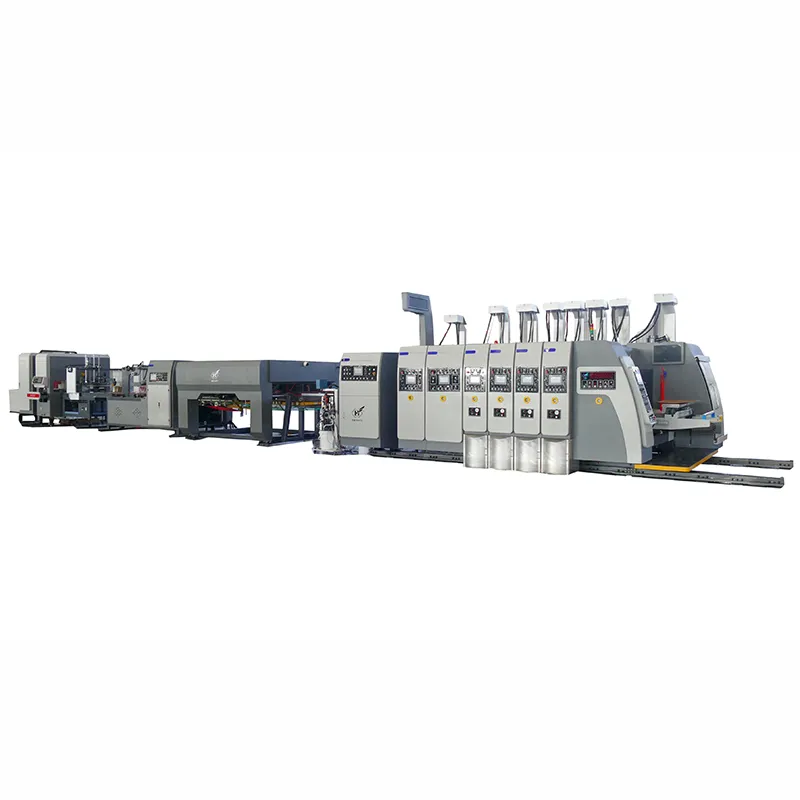
Boosted Production Efficiency and Output
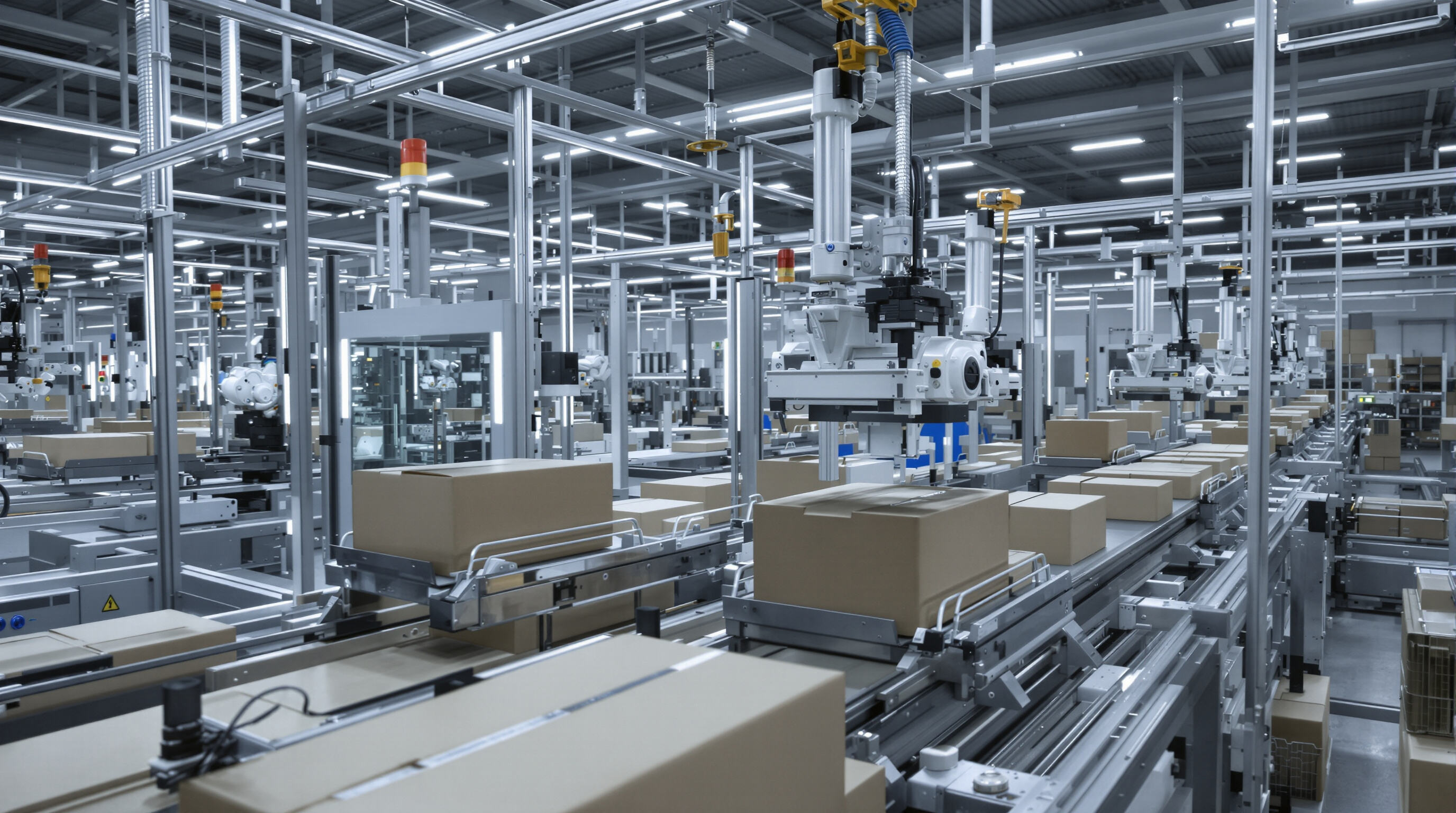
High-Speed Operation for Greater Throughput
Carton box production lines that are automated can crank out over 12,000 boxes each hour, which is about three times quicker compared to what humans can do manually. They accomplish this speed thanks to synchronized rotary die cutting combined with robotic folding mechanisms. The servo driven systems keep things accurate even when running fast, so these machines can work non stop without needing breaks for changing shifts. For companies in the food industry and those shipping products online, this means they can handle big spikes in demand during holidays or other busy periods much better. Instead of scrambling to hire extra workers for overtime pay, manufacturers simply ramp up their automated processes to fulfill all those urgent orders on time.
Consistent, Predictable Output for Reliable Supply Chains
Automated systems can maintain dimensional accuracy around ±0.15mm during long production runs, which matters a lot for sectors such as automotive manufacturing and pharmaceutical packaging where components need to fit perfectly for automated assembly lines. With real time monitoring of production processes, warehouse staff get pretty accurate ETA predictions usually within about 15 minutes. This helps companies implement those just-in-time inventory strategies and cut down on excess stock by roughly 32 percent according to recent studies. The ability to adjust production rates programmatically means businesses can handle seasonal fluctuations easily without hiring extra workers when demand drops off.
Significant Cost Savings and Long-Term ROI
Reduced Labor Costs and Lower Dependency on Manual Workforce
When companies automate their operations, they typically cut down on direct labor requirements somewhere around 35 to 40 percent, which means they no longer need those teams doing all the manual folding, gluing work, and pallet stacking stuff (according to the Packaging Efficiency Report from 2024). The modern systems come with these easy-to-use interface panels and central monitoring setups, so a single person can actually watch over anywhere between six and eight different machines at once without breaking a sweat. What this really does is save money too - talking about roughly $120k to maybe even $180k less spent each year on labor costs per production line. Plus, it frees up workers who were previously tied down to repetitive tasks, letting them move into better positions where they can focus on things like making sure products meet quality standards or getting ahead with regular equipment maintenance checks instead.
Optimized Resource Use and Lower Material Waste
The combination of precision engineering with AI controls really boosts how efficiently resources get used throughout manufacturing. Smart cutting software works out the best way to nest patterns, getting close to full cardboard usage at around 98 or 99 percent. Meanwhile, systems that monitor adhesives in real time have cut down on excess glue application by nearly a third. When it comes to defects, automated detection catches problems early enough that about 15% of those misprinted sheets can be pulled from the line before they become waste. Put all this together and factories see material savings of roughly 20-25% while energy bills drop somewhere around 15-20% for every thousand boxes rolling off the assembly line.
Operational Flexibility and Scalable Customization
Today's automated carton box production systems are designed to be flexible, mixing modular components with smart software that lets them adjust quickly when markets shift. Take e-commerce for instance - most packaging managers there struggle with different carton sizes according to the latest Logistics Tech Report from 2024, which found around 92% face this exact problem. The real advantage comes from these systems' ability to scale up or down as needed. Factories can run regular batches one day and then switch gears completely to create special orders the next. This kind of versatility supports everything from bulk manufacturing to niche packaging solutions, giving businesses a competitive edge in today's fast changing retail landscape.
Quick Changeovers for Custom Box Sizes and Designs
The servo driven adjustment systems allow for switching between different box formats in just over two and a half minutes now, which is roughly 70 percent quicker compared to when people have to do it manually according to some research from the Material Handling Institute back in 2023. These machines come equipped with built in vision technology that actually reads those digital plans and adjusts itself automatically for things like folding angles, glue application points, and cutting positions. What this means is that the very first box produced after setup will be accurate, even when running at impressive rates of around 120 units per minute. Such fast transitions make it possible for manufacturers to handle small batches of customized products without having to slow down production speed or compromise on product quality standards.
Integration with Inline and Offline Production Systems
Advanced automation platforms support dual-mode operations:
- Inline synchronization with filling and sealing machines via industrial IoT protocols (e.g., OPC UA) ensures end-to-end continuity for high-volume lines.
- Offline batch processing allows dedicated runs for seasonal, promotional, or specialty orders without disrupting mainline output.
This hybrid model enables manufacturers to allocate 30–50% of capacity to custom jobs while maintaining baseline efficiency, a benchmark validated in the 2024 Flexible Manufacturing Index.
FAQ
What are the benefits of automated carton production?
Automated carton production benefits include increased efficiency and output, reduced labor costs, minimized downtime, predictable outputs, and significant cost savings.
How does automation impact labor requirements in production lines?
Automation typically reduces direct labor requirements by 35-40%, decreasing dependency on manual workforce, which saves money and moves workers to more strategic roles.
What is the return on investment (ROI) for automation in carton production?
A $500,000 automated carton line can achieve full payback within 2.7 years, with long-term savings and improved EBITDA margins.