 EN
EN

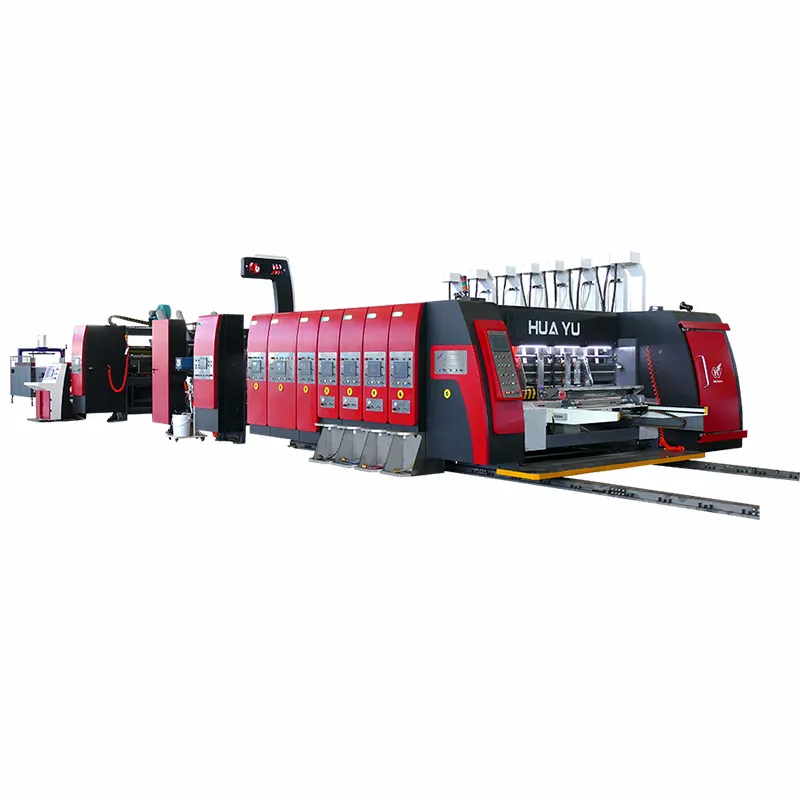
How Quality Carton Packaging Standards Impact Product Safety
When companies use weak materials or get the adhesive wrong, products often get damaged while being shipped around. The International Boxing Federation reports that this problem costs businesses somewhere north of $12 billion every year. Good manufacturers know better though. They put their packaging through all sorts of tough tests like edge crush evaluations and see how well it holds up against humidity changes before giving it the green light. For those facilities carrying perishables, getting ISO 22000 certified means they have to switch out regular glues for ones safe enough for food contact. This simple change cuts down on contamination problems when moving things like fresh produce across town or country, with studies showing roughly a 28% drop in incidents after implementation.
Evaluating Audit Trails and Compliance Documentation
Transparent suppliers provide digital audit trails that include batch-specific material origins, equipment calibration logs, and third-party inspection reports. Key documents like Material Test Reports (MTRs) verify tensile strength and fiber composition. A 2024 McKinsey study found companies with digitized compliance resolve nonconformance issues 41% faster than those using manual records.
Proven Experience and Reputation in Carton Box Line Manufacturing
Why Years in Operation Matter for a Carton Packaging Supplier
Carton box line makers with 15+ years of experience experience 32% fewer defect-related recalls than newer entrants (Fiber Box Association 2023). Longstanding suppliers refine their processes through decades of addressing production bottlenecks and supply chain disruptions. Those maintaining ISO 9001 certification for over a decade show 40% faster corrective action during quality incidents.
Analyzing Client Portfolios and Industry Recognition
Top manufacturers serve 5–7 industries simultaneously, with 78% supplying Fortune 500 companies in regulated sectors like pharmaceuticals and perishables. Preference should be given to partners recognized by organizations such as the International Corrugated Packaging Foundation, which validates adherence to evolving safety and material standards.
Controversy Analysis: Rapid Growth vs. Long-Term Reliability in Emerging Suppliers
Startups might be agile, but according to Packaging Digest's 2022 findings, around two thirds of packaging buyers run into problems with structural integrity when they switch to newer suppliers (those under five years old). Looking at real world examples from 2023, companies that expanded their production capacity by over 40% each year saw three times as many complaints about boxes falling apart during shipping. The takeaway? When looking for reliable partners, businesses should consider working with companies that grow steadily rather than rapidly. Suppliers keeping their annual growth below 15% for eight years or more tend to deliver better results overall, balancing innovation with proven reliability in the marketplace.
Production Capacity, Delivery Reliability, and Scalability
Matching Carton Box Line Maker Output to Your Volume Needs
When picking suppliers, matching their production capabilities to actual needs helps avoid those frustrating situations where there's either too much inventory sitting around or not enough when customers need it. Top companies in the industry can handle surges in demand as high as double what they normally produce while still keeping product quality consistent. According to recent research from McKinsey, about one third of all problems in supply chains actually come down to having machines that just aren't big enough for what's needed. Before finalizing any decisions, businesses should look at how many units per hour the equipment currently produces and also check if it can scale up over time. Benchmarking against similar operations makes sense here. The goal is to find machinery that won't require expensive upgrades later on once the company grows over the next few years.
Delivery and Turnaround Time for Orders: Benchmarking Performance
The best carton suppliers typically get standard orders out within two days flat, according to the latest packaging industry stats which show around 98% of deliveries happening right on schedule. When looking at potential partners, it pays to ask for actual performance data over twelve months where delays stayed under 5% of promised delivery windows. Take the big UPS strike back in 2023 as an example. Suppliers who had their own transport networks kept shipping boxes to customers about a quarter better than companies dependent on outside carriers during that chaotic period. Makes sense really, because controlling the whole chain means fewer points where things can go wrong.
Trend: Just-In-Time Delivery Demands in E-Commerce Packaging
According to DHL's 2023 report, around two thirds of retailers now expect their Just-In-Time deliveries to arrive within a single day window, mainly because storing goods costs them too much money. To keep up with these expectations, most businesses have started using those little IoT sensors everywhere to track what's in stock at any given moment, plus they need to restock materials every other day max. Some smart suppliers actually mix traditional JIT methods with keeping about 30 percent extra stock on hand. These folks see their late delivery problems drop by almost half compared to companies that stick strictly to lean manufacturing principles without any safety margins built in.
Technological Innovation and Customization Capabilities
Advanced Die-Cutting and Printing Capabilities in Modern Carton Box Lines
Today's carton production lines rely on laser guided die cutting that hits around 0.25 mm accuracy, which lets manufacturers create complex shapes without compromising structural integrity. For packaging that needs to stand out on store shelves but still meet green standards, high definition flexo printing delivers impressive results at 1200 dpi resolution even when working with recycled materials. A recent report from Technovation in 2023 showed something interesting too: companies switching to these adaptive digital printing systems cut down their material waste by about 18% compared to older offset techniques. That kind of efficiency makes a real difference both environmentally and economically for businesses trying to balance quality with cost control.
Smart Manufacturing: IoT Integration in Carton Box Production
IoT sensors monitor folding, gluing, and quality control stations, tracking variables like humidity tolerance (±3% RH) and adhesive cure rates. Research shows IoT-enabled carton lines achieve 92% first-pass yield, compared to 78% in conventional setups, cutting rework costs by $14.60 per 1,000 units (Journal of Industrial Engineering).
Future Trends: AI-Driven Design and Rapid Prototyping
AI algorithms now analyze retail POS data to recommend packaging designs that maximize shelf space utilization—early adopters report 11% higher in-store conversion rates. Cloud-based configurators allow brands to test multiple structural variations, enabling 48-hour prototyping cycles before full-scale production.
Sustainability, Material Integrity, and Long-Term Partnership Value
Recyclability standards and compliance with environmental regulations
Global regulations like the EU’s PPWD 94/62/EC mandate 85% recyclability for packaging by 2025. Top manufacturers meet EN 13432 compostability benchmarks using water-based UV inks and starch coatings. ISO 14001-certified facilities demonstrate 33% lower contamination rates in recycling streams than non-certified producers.
Balancing sustainability with cost-effectiveness
Lifecycle analysis shows sustainable carton systems reduce logistics costs by 12–15% through lightweighting and nested designs. Brands using 30%+ recycled content achieve ROI within six months via waste reduction and LEED certification incentives.
Building reliability into multi-year supplier contracts
Forward-thinking carton box line makers embed ESG KPIs into long-term agreements—such as annual 5% gains in material efficiency and 90% closed-loop waste recovery. In a three-year pharmaceutical packaging collaboration, shared R&D budgets reduced prototype costs by 40% while ensuring consistent material specifications across all production runs.
FAQ
How does packaging impact product safety?
Poor packaging materials or adhesives can lead to product damage during transit. Quality carton packaging undergoes rigorous testing to prevent such issues, safeguarding products and reducing financial losses.
What role does IoT play in carton box production?
IoT technology enhances carton production by monitoring conditions like humidity and adhesive cure rates. This leads to higher first-pass yields and reduced rework costs, improving efficiency and product quality.
How can carton systems contribute to sustainability?
Sustainable carton systems utilize recycled materials and eco-friendly adhesives, reducing costs and environmental impact. They also meet global standards for recyclability, adding value to long-term contracts.