 EN
EN

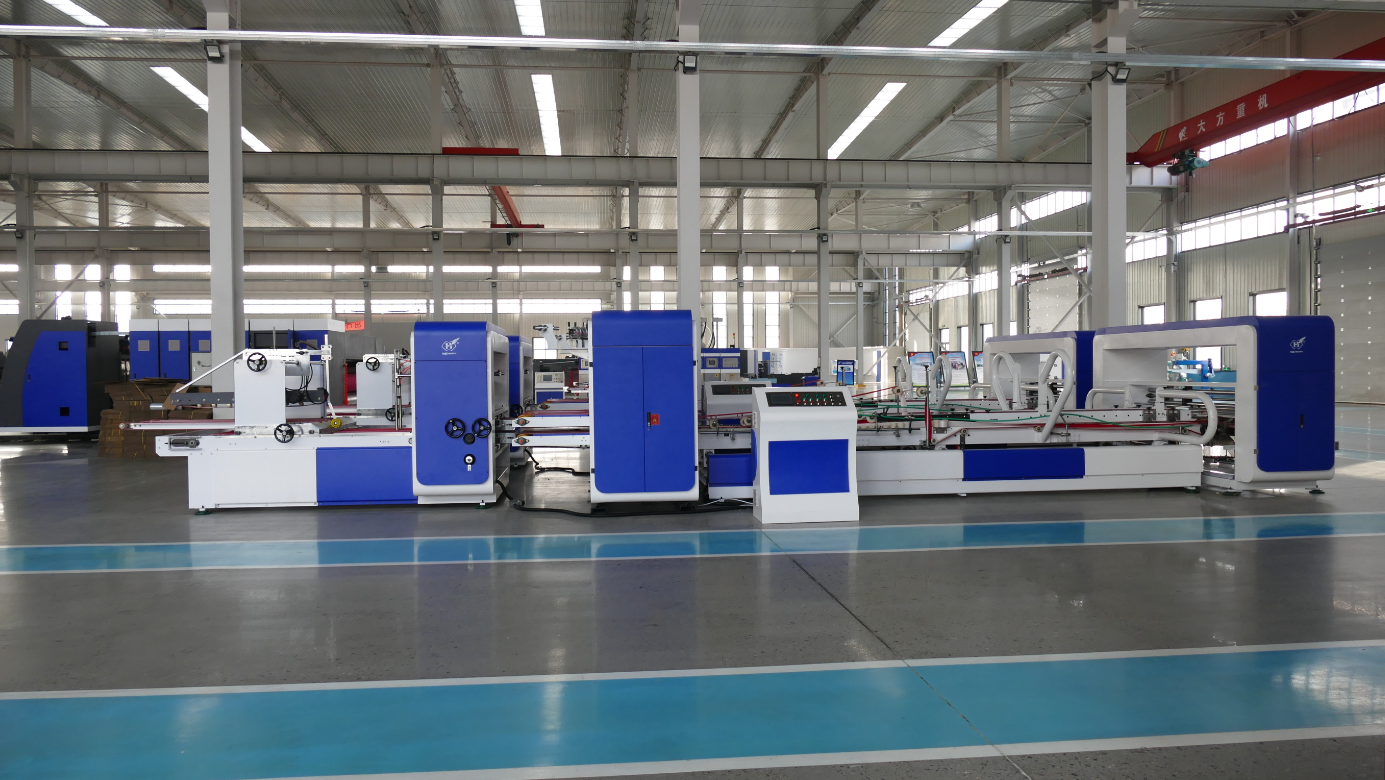
When a business invests in folder gluer equipment, it’s not just buying a machine—it’s signing up for a partnership that should last the equipment’s whole life. A good supplier doesn’t stop at delivering the machine; they wrap it in services that make sure the equipment runs smoothly, fits the business’s needs, and keeps adding value over time. But what exactly should these services look like? Let’s break down the key services a reliable folder gluer equipment supplier ought to offer, using real-world insights from the industry.
Technical Support That Doesn’t End After Delivery
Let’s be real—folder gluer equipment isn’t a simple tool you plug in and forget. It has complex systems, from computer controls to gluing mechanisms, and businesses need help navigating that, even after the machine is up and running. A top folder gluer equipment supplier should start with pre-delivery support: sitting down with the customer to understand their production space, workflow, and goals, then advising on which model fits best. For example, if a customer makes small cosmetic boxes, the supplier should recommend a machine tailored for small-scale, precise work—like models designed specifically for small boxes.
Once the equipment is delivered, installation support is a must. The supplier’s team should come on-site to set up the machine correctly, making sure it’s aligned with other production lines and that all safety features are working. But the real value comes with ongoing technical support. Think about remote maintenance—many modern folder gluer machines have systems that let suppliers troubleshoot issues from afar. If a machine’s gluing system acts up, the supplier can access the control panel remotely, diagnose the problem, and guide the customer’s team through fixing it without waiting for a technician to travel. This saves huge amounts of downtime, which is make-or-break for carton production.
Also, training is part of technical support. The supplier should train the customer’s operators on how to use the machine efficiently—from adjusting settings for different box sizes to basic daily checks. They might even provide quick-reference guides or video tutorials for common tasks. A supplier with strong R&D capabilities (like those with dedicated teams and advanced labs) can also share tips on optimizing the machine’s performance, like how to reduce glue waste or speed up cycle times without sacrificing quality. This kind of ongoing support turns a one-time purchase into a long-term win for the customer.
After-Sales Maintenance and Repair That Keeps Operations Smooth
No machine runs forever without a little TLC, and folder gluer equipment is no exception. A reliable folder gluer equipment supplier needs to offer solid after-sales maintenance and repair services to keep their customers’ operations on track. First, regular maintenance plans are a big plus. The supplier can schedule periodic check-ups—either in-person or via remote monitoring—to inspect parts like conveyor belts, gluing rollers, and control systems. They’ll look for wear and tear, clean key components, and replace small parts before they cause big breakdowns. For example, if a sensor that detects box alignment is starting to work less accurately, the supplier can replace it during a maintenance visit instead of letting it fail and stop production.
When breakdowns do happen (and they will), fast repair services are critical. The supplier should have a way to respond quickly—whether that’s a 24/7 hotline for urgent issues or a network of local technicians who can reach the customer’s site fast. They should also keep a stock of common replacement parts, like gears or glue nozzles, so they don’t have to wait weeks for parts to arrive. Imagine a customer’s folder gluer machine stops working on a busy week with a big order due—if the supplier can send a technician with the right part the next day, that customer avoids missing deadlines and losing money.
Another part of after-sales service is transparency. The supplier should be clear about repair costs upfront, no hidden fees. They should also explain what caused the breakdown, so the customer’s team can prevent it from happening again. For suppliers with years of industry experience (some have over 25 years), they’ll have seen almost every possible issue, so they can fix problems faster and give better advice on prevention. This kind of reliable after-sales support builds trust—customers know they’re not alone when something goes wrong.
Customized Solutions for Unique Production Needs
Every carton business is different. Some make large shipping boxes, others make tiny gift boxes; some run small batches with frequent changes, others do high-volume, non-stop production. A one-size-fits-all folder gluer machine won’t work for everyone, so a good folder gluer equipment supplier should offer customized solutions. This starts with listening closely to the customer’s needs. The supplier’s team should ask questions: What size boxes do you make? How many do you produce per hour? Do you switch between box designs often? Are there specific materials you use, like thick corrugated paper or thin cardstock?
Based on those answers, the supplier can tweak standard machines or design a custom model. For example, a customer that makes extra-large shipping boxes might need a folder gluer with a wider conveyor and stronger motors to handle the weight. A customer that does small batches might need a machine with quick-change settings so they can switch between box sizes in minutes, not hours. Some suppliers even have dedicated R&D teams (with 30+ researchers in some cases) that can develop new features for a custom machine—like advanced auto-detect systems to catch misaligned boxes faster, or specialized gluing systems for unique materials.
Customization also includes integrating the folder gluer with the customer’s existing production line. If the customer already has a printing machine or a bundling system, the supplier should make sure the new folder gluer works seamlessly with those. They might adjust the machine’s height, add conveyor extensions, or sync the control systems so all machines communicate. This way, the customer doesn’t have to overhaul their entire workflow to fit the new equipment. A supplier that offers this level of customization shows they care about the customer’s unique challenges, not just selling a standard product.
Compliance and Global Support for International Customers
Many carton businesses sell their products around the world, which means their folder gluer equipment needs to meet different international standards. A top folder gluer equipment supplier should help customers navigate these compliance requirements and offer global support. First, compliance guidance: the supplier should know the ins and outs of certifications like EU CE (for Europe) or local electrical standards (for places like the US or Asia). They should ensure the machines they provide meet these standards—no cutting corners. For example, a machine going to Europe needs CE certification to prove it meets safety and environmental rules, like having proper safety guards and low energy use. The supplier should handle the paperwork and testing to get that certification, so the customer doesn’t have to.
If the customer is based in another country, the supplier should also offer logistics support. This means helping with shipping—finding reliable carriers, handling customs documentation, and making sure the machine is packed securely to avoid damage during transit. Some suppliers export to over 100 countries, so they have experience with different shipping rules and can advise on things like import taxes or delivery timelines. Once the machine arrives, the supplier should coordinate on-site installation, even if it’s in another continent. They might send a technician to the customer’s location or train local technicians to do the installation.
Global support also means adapting to local needs. For example, a customer in a country with different power voltages should get a machine with a voltage converter, or the supplier should send someone to rewire it. Language is another factor—user manuals, training materials, and support calls should be in the customer’s native language, not just English. A supplier that offers this kind of global support makes it easy for customers to expand into new markets without worrying about their equipment holding them back.
Conclusion
At the end of the day, a folder gluer equipment supplier’s job is to make their customer’s life easier. That means going beyond selling a machine to offer technical support that lasts, after-sales services that minimize downtime, customized solutions that fit unique needs, and global support that handles compliance and logistics. These services turn a supplier into a partner—one that helps the customer’s business grow, adapt, and stay competitive.
For any business looking to buy folder gluer equipment, asking about these services should be a top priority. A supplier that checks all these boxes isn’t just selling equipment—they’re investing in the customer’s success. And in the fast-paced world of carton production, that kind of partnership is worth its weight in gold.