 EN
EN

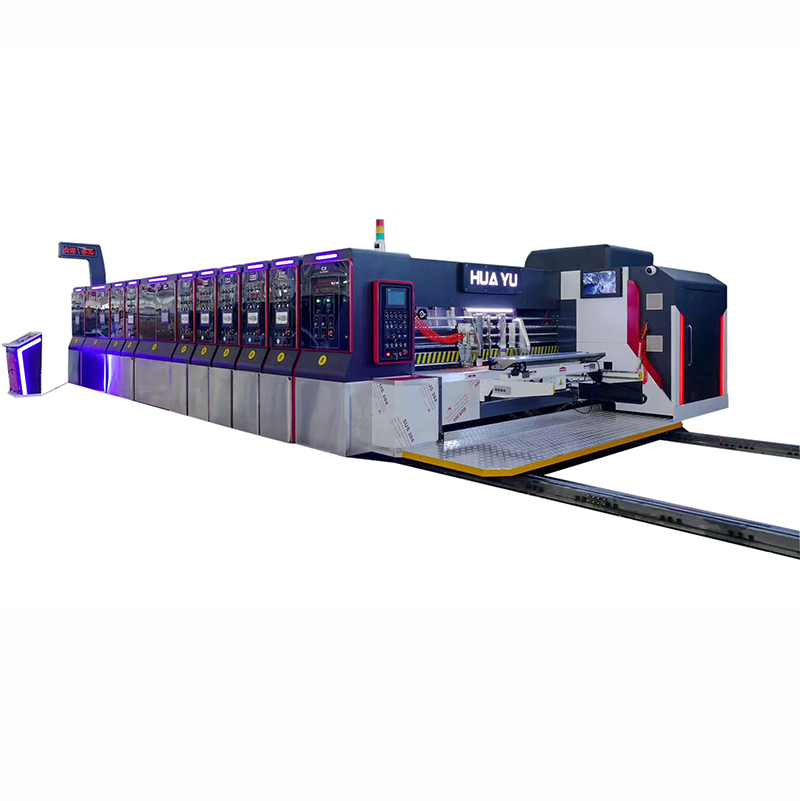
Investing in a flexo printing machine for corrugated carton is a significant capital expenditure for any packaging business. At Huayu Carton Machinery, we’ve spent over two decades engineering these machines and walking through factory floors across the globe. We know that the real question isn't just "how much does it cost," but rather, "how long will it stay productive?"
The lifespan of a high-quality flexo printer isn't just about the date it was manufactured; it's a reflection of engineering integrity, operational environment, and maintenance discipline. Below, we break down the critical factors that determine how many decades of service you can expect from your equipment.
The Structural Integrity and Casting Quality of the Main Frame
The foundation of a long-lasting flexo printing machine for corrugated carton is its physical structure. In our experience, machines built with thin, welded steel plates tend to develop vibrations after 5-7 years of high-speed operation. These micro-vibrations eventually lead to misalignment in the printing plates and premature gear wear.
Professional-grade machines, like those we develop at Huayu, utilize high-strength cast iron frames that have undergone stress-relief heat treatment. This ensures that the "skeleton" of the machine remains perfectly square and rigid, even when running at speeds of 200+ sheets per minute. When the frame is stable, the internal components don't have to fight against centrifugal forces, effectively doubling the machine's mechanical life compared to "budget" alternatives.
Precision of Transmission Gears and Lubrication Systems
The heart of the flexo printing machine for corrugated carton lies in its transmission system. If the gears lose their precision, your print registration will blur, and the machine becomes obsolete long before its time. We’ve observed that machines using 40Cr alloy steel gears—hardened and ground to high precision—last significantly longer than those using standard carbon steel.
However, even the best gears will fail without proper lubrication. Modern high-end flexo printers now feature automated "oil bath" or "closed-circuit" lubrication systems. These systems ensure that every tooth of every gear is constantly coated in clean oil, reducing friction and heat. According to industry engineering standards, a well-lubricated gear set can operate for over 15 years without significant backlash, whereas a poorly maintained manual system might see failure in less than five.
The Management of Anilox Rolls and Rubber Rollers
While the metal frame lasts decades, the "consumable" precision parts—specifically the anilox rolls—are the true indicators of print quality over time. A flexo printing machine for corrugated carton typically uses ceramic anilox rolls. The lifespan of these rolls is heavily dictated by the ink pH levels and the cleaning frequency.
Expert views from the Flexographic Technical Association (FTA) emphasize that dried ink in the microscopic cells of an anilox roll acts as an abrasive. Over time, this wears down the doctor blade and the roll surface itself. At Huayu, we recommend integrated washing systems that prevent ink from drying during job changes. By maintaining the integrity of the anilox surface, you reduce the "strain" on the motor drive system, as smooth ink transfer requires less pressure and friction.
Electronic Stability and Component Sourcing
In the modern era, a flexo printing machine for corrugated carton often "dies" electronically before it dies mechanically. The lifespan of your machine is tied to the reliability of its PLCs, frequency inverters, and servo motors. Using "no-name" electronic components is a recipe for disaster, as finding replacement parts five years down the line becomes impossible.
We prioritize transparency and trustworthiness by using globally recognized brands like Siemens, Schneider, or Delta for our electrical cabinets. These components are rated for millions of cycles and operate reliably in the humid, dusty environments typical of corrugated board production. Furthermore, a modular electronic design allows you to upgrade the "brains" of the machine without replacing the entire mechanical unit, effectively extending the functional lifespan by another 10 to 15 years.
Operational Environment and Dust Control
Corrugated production is inherently a "dirty" process; paper dust (lint) is the silent killer of the flexo printing machine for corrugated carton. Dust settles into the bearings, mixes with grease to form an abrasive paste, and clogs cooling fans in the electrical cabinets.
Based on our case studies of clients in Southeast Asia and the Middle East, machines equipped with high-efficiency dust extraction systems and ionized air cleaners at the feeding section have a 30% lower failure rate in their electronic systems. Protecting the machine from the "paper snow" generated during the slotting and die-cutting process is perhaps the most underrated factor in ensuring your machine reaches its 20th anniversary.
Routine Preventative Maintenance and Operator Training
Finally, the human factor is the most variable element in the lifespan of a flexo printing machine for corrugated carton. No amount of engineering can overcome a lack of maintenance. A "Trustworthy" operation follows a strict PM (Preventative Maintenance) schedule: daily cleaning, weekly lubrication checks, and monthly bolt-tightening.
We often see that machines operated by well-trained staff—who understand the "why" behind the settings—run cooler and smoother. Over-pressurizing the printing cylinders to compensate for poor plate mounting is a common error that destroys bearings. Training your team to respect the machine’s tolerances ensures that every component operates within its designed mechanical limit, preventing the "cascading failures" that often lead to early decommissioning.
Table of Contents
- The Structural Integrity and Casting Quality of the Main Frame
- Precision of Transmission Gears and Lubrication Systems
- The Management of Anilox Rolls and Rubber Rollers
- Electronic Stability and Component Sourcing
- Operational Environment and Dust Control
- Routine Preventative Maintenance and Operator Training