 EN
EN

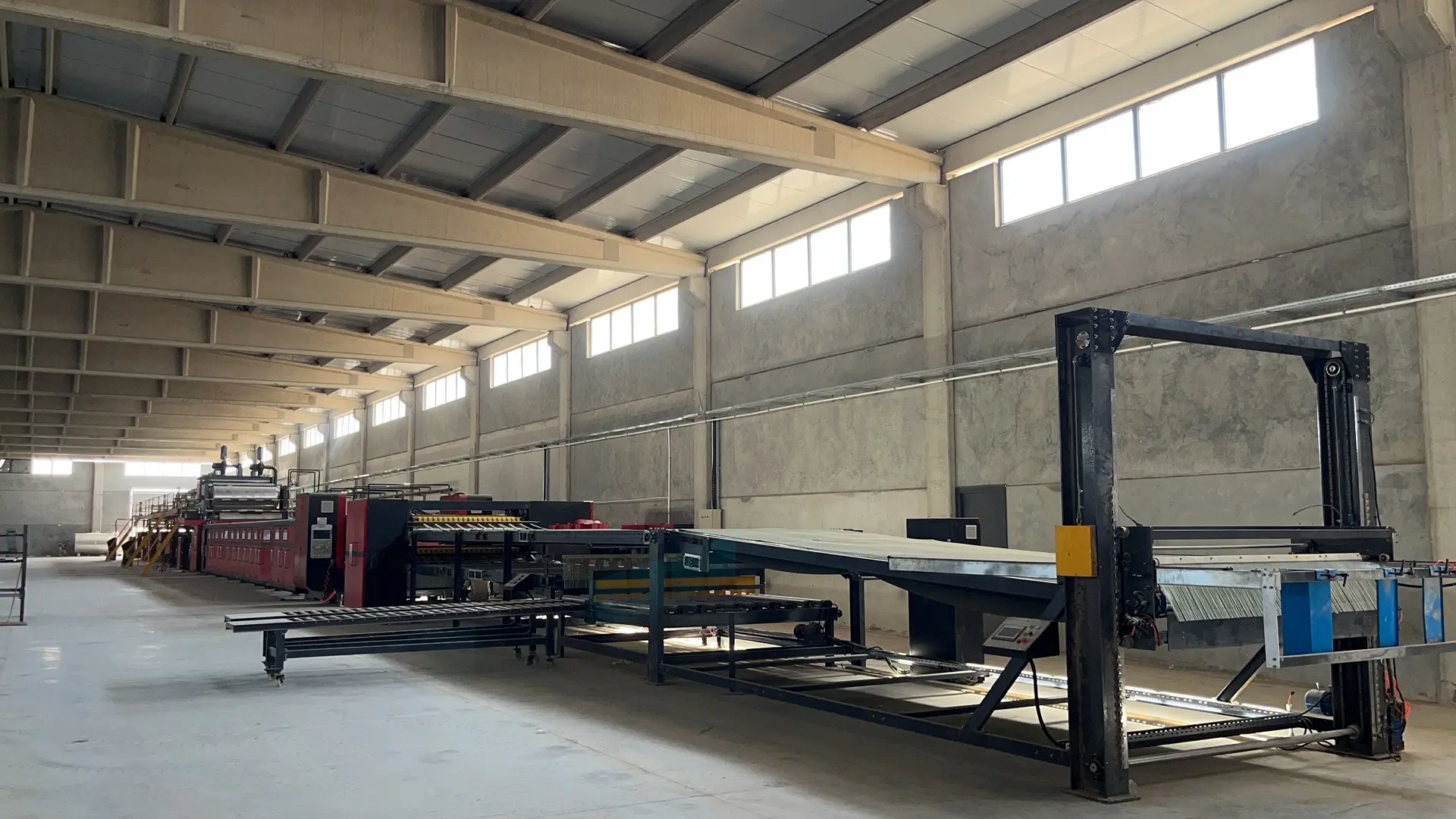
Mastery of the Corrugated Board Manufacturing Process
Understanding the Full Corrugated Board Production Workflow
Anyone making corrugated cardboard needs to know their stuff when it comes to turning basic materials into sturdy packaging through a well-timed process. First things first, they condition the kraft liner and medium papers with those big steam rollers so everything has just the right moisture content and heat needed for proper flute shaping. Getting all these machines working together is critical too many times we see boxes warp or fall apart because the unwinders, preheaters, and glue applicators aren't properly synced up. Smart companies are cutting down on waste these days, sometimes as much as 15%, thanks to clever closed loop systems that constantly tweak the starch thickness and pressure settings based on real time conditions. This kind of fine tuning makes all the difference in both quality control and bottom line savings.
Precision in Single-Facer Operation and Flute Formation
The single facer unit is really important when it comes to creating those consistent fluted materials that separate modern production lines from old school machinery. These advanced machines with their servo driven rollers can keep flute heights within about half a percent variance, which sounds small but makes all the difference when running at speeds over 400 meters per minute. This kind of precision is what allows manufacturers to pass those Edge Crush Tests everyone cares so much about these days. And there's something else too worth mentioning: thermal imaging systems built right into the process spot problems with glue application as they happen. Operators get alerts instantly so they can fix issues before any defective material gets sent on to the double backer section where things start getting expensive if something goes wrong.
Optimizing the Double-Backer for Uniform Bonding and Stability
The pressure sensitive shoes on double backers help get adhesive into all areas evenly without squishing those important flute structures. When the system adjusts heat plates somewhere around 160 to 180 degrees Celsius depending on what the basis weight sensors detect, most production runs hit about 98 percent bond success rates while still saving quite a bit of power. There's also an automated system that spots warped boards showing more than 0.3 percent curve. These problematic sheets get sent back for another run instead of causing headaches later on in the die cutting section where they'd just create frustrating jams.
Seamless Integration of the Corrugator with Downstream Systems
Leading manufacturers of corrugated cardboard production lines have started incorporating two-way communication systems into their corrugators so they can work in sync with flexo folder gluers and those fancy rotary die cutters. When these machines talk to each other properly, there's about a 22 percent drop in waste when switching between products. And guess what? They still hit those ISO 3037 standards for size accuracy within plus or minus 0.8 millimeters. The PLC controlled bridge conveyors are pretty smart too. These things adjust how boxes stack themselves based on what comes next in the process, which means workers don't get stuck waiting around to handle stuff manually anymore. Pretty clever setup if you ask me.
Ensuring Material Specifications and Quality Control in Line Design
Consistent material input is essential. Production lines integrate sensors to monitor kraft paper grammage within ±5 g/m² and starch adhesive viscosity optimized at 45–60 seconds (Ford Cup flow). Advanced systems automatically adjust preheater temperatures to maintain linerboard moisture content between 12–18%, reducing warping risks and ensuring reliable bonding.
Advanced Testing and Performance Validation for Reliable Output
Real-Time Durability and Load Testing During System Validation
Performance validation includes real-world simulations using automated load testers that replicate distribution hazards. Sensors monitor box deformation under dynamic compression, while environmental chambers evaluate humidity resistance. A 2024 industry analysis found that integrated real-time load testing reduces packaging failure rates by 18% compared to manual inspection methods.
Automated Dimensional Accuracy and Design Verification Tools
Modern machine vision systems achieve around 99.7% accuracy when profiling boards by comparing what's actually produced with those CAD designs on screen. When it comes to alignment, laser guided tools take over if there's even the slightest misalignment - these systems will adjust the position of single facer rollers whenever they drift more than 0.1 mm off course. What really matters though is how this kind of automation cuts down on mistakes humans tend to make, especially regarding glue application thickness. Packaging engineers have found that about one out of every four box compression failures can be traced back directly to problems with glue thickness, so getting this right makes all the difference in quality control.
Deploying AI, Sensors, and Data Analytics in Production Line Control
AI-driven control systems analyze sensor data from corrugators and slitters to optimize flute speed, heat settings, and starch usage. Machine learning models predict roller wear and proactively adjust pressure tolerances to maintain <2% dimensional variance. When paired with predictive maintenance algorithms, these systems eliminate 83% of unplanned downtime in high-speed operations.
Real-Time Monitoring via Automated Inspection and Feedback Systems
The hyperspectral vision systems can spot those pesky warping defects pretty fast actually, around 120 meters per minute give or take. When they catch something off track, the system automatically tells the double backer glue nozzles what needs fixing right away. For the bearings along the production line, we've got these smart vibration sensors connected through IoT tech now. They keep an eye on how healthy everything is running, which helps cut down on maintenance expenses somewhere in the ballpark of $18 for every ton processed. And let's not forget about those advanced control platforms either. With proper IoT integration, they match up conveyor speeds perfectly with whatever comes next at the die cutters. This keeps sheets aligned within about half a millimeter tolerance most of the time, which matters a lot when precision counts.
Enhancing Box Manufacturing Efficiency Through Digital Innovation
With digital twin tech, plant operators can now experiment with different flute profiles on the fly without shutting down production lines, which cuts development time roughly in half sometimes even faster than expected. The cloud scheduling systems we've implemented lately sort through orders based on what ink we actually have in stock right now plus when customers need their stuff delivered, so our turnaround has dropped from three days down to just one day most of the time. All these improvements mean products come out exactly as designed but also save quite a bit of power usage across the board about 22% less energy consumed for every linear foot produced compared to older methods.
End-to-End Engineering and Customization for Client-Specific Needs
Tailoring Corrugated Cardboard Production Line Maker Solutions to Operational Goals
Manufacturers at the top of their game blend deep engineering knowledge with modular approaches so their systems actually match what clients need day to day. Take food packaging plants that need boards resistant to grease while running at breakneck speeds. These facilities get real value from special adhesive units paired with smart flute profiling technology powered by artificial intelligence. The magic happens through parametric design software that tailors machines according to what customers tell them they need sheet sizes, volumes processed, how much weight needs handling etc. Most companies can tweak these setups within just two days when requirements change. Standard production lines tell another story though. They typically allow less than 15 percent customization which creates all sorts of problems for specialized work like making packages for medical devices where precision matters most.
Designing for Scalability, Speed, and Flexibility Without Compromise
Scalable corrugated systems feature adaptive material handling and variable speed controls, seamlessly shifting between 8,000 sheets/hour for mass runs and 1,500 sheets/hour for premium batches. A 2023 industry study showed flexible lines reduce changeover downtime by 72% versus fixed-output models. Key innovations include:
- Hot-swappable single-facer modules (changed in ø 90 minutes for different flute sizes)
- Hybrid drying systems combining infrared and convection heating for diverse paper weights
- Servo-driven splicers that enable roll changes without stopping the line
Integrated thickness monitoring (±0.08 mm tolerance) ensures precision even during rapid specification shifts.
Table of Contents
-
Mastery of the Corrugated Board Manufacturing Process
- Understanding the Full Corrugated Board Production Workflow
- Precision in Single-Facer Operation and Flute Formation
- Optimizing the Double-Backer for Uniform Bonding and Stability
- Seamless Integration of the Corrugator with Downstream Systems
- Ensuring Material Specifications and Quality Control in Line Design
-
Advanced Testing and Performance Validation for Reliable Output
- Real-Time Durability and Load Testing During System Validation
- Automated Dimensional Accuracy and Design Verification Tools
- Deploying AI, Sensors, and Data Analytics in Production Line Control
- Real-Time Monitoring via Automated Inspection and Feedback Systems
- Enhancing Box Manufacturing Efficiency Through Digital Innovation
- End-to-End Engineering and Customization for Client-Specific Needs