 EN
EN

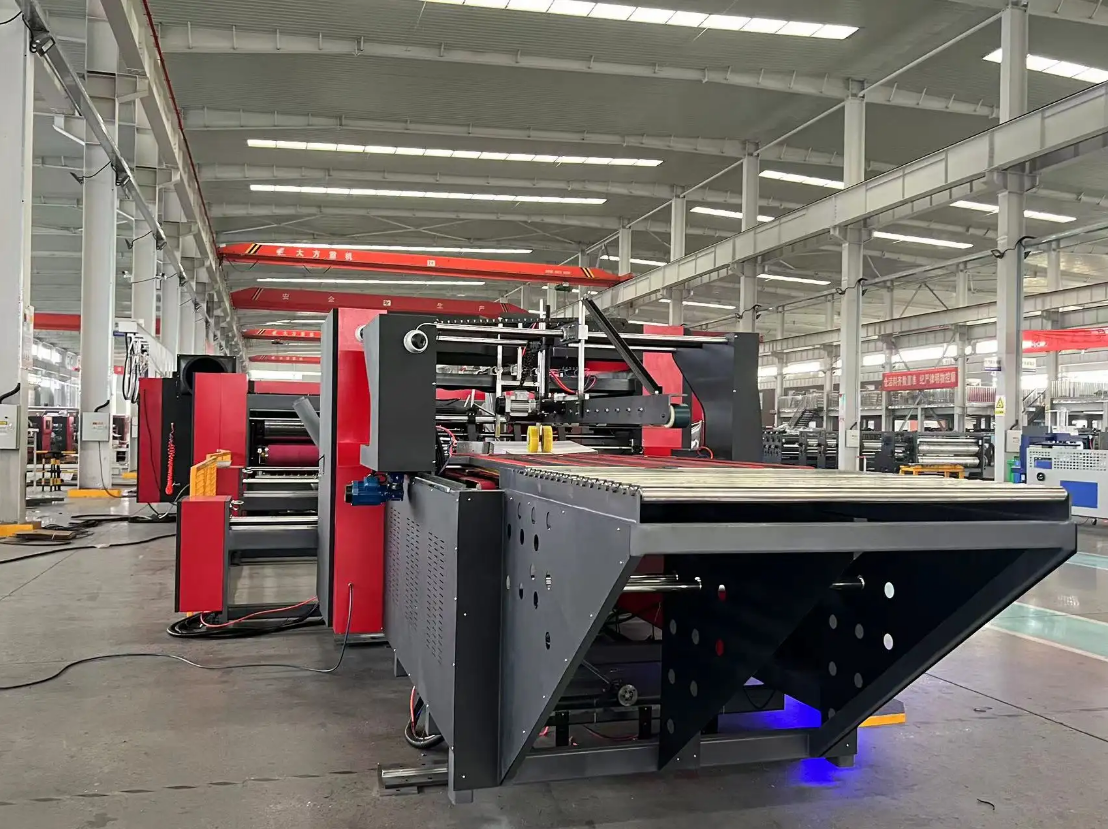
What are the things I need to do to begin the production line of cardboard boxes?
In the production line of cardboard boxes, the first step is not simply acquiring the machines and starting the box production in full swing immediately or caring about the details that will guarantee the flow without a hitch big or small. Tailoring your attention to the details improves flow, and will improve your sales, regardless if your marketing to small businesses or big corporations. Knowing what you will produce and the equipment you will need, and the space or location, is evidence of simple rational planning. The planning and producing will and could be your first, and a very big step for most entrepreneurs.
Identify your needs to organize for production
Identifying the details of your production should align to the equipment that you will buy. It is very important to answer questions revolving specifically on what you plan to produce. Will you be producing shipping boxes for small e-commerce businesses, or produce big boxes for industrial shipping, or supply large printed boxes for personalized shipping? The machines that you will acquire will depend on the type of your production line. a big or small space will be required from the shape and size of the produced box.
Don't forget to figure out your production capacity as well. How many boxes are you planning to produce each day or each week? This should be informed by market demand rather than just a guess. For example, if your local retailers sell 5,000 small boxes weekly, there’s no reason to invest in a production line that makes 20,000, as that’s a potential waste. It’s equally important that you don’t underestimate production, so a line that only produces 2,000 will leave you short. For a production plan, budget is still a major factor. You should consider all potential expenses like equipment, site, labor, raw materials (cardboard rolls) to be used, and even unforeseen expenses like maintenance.
At this point, it’s advisable to consult with seasoned suppliers. Some of them have been in the market for over 25 years and have customers from more than 100 countries. They are able to identify which of your plans can be adjusted to better match your needs. This can be in the form of suggestions like a high-speed line being an overkill for your production capacity or advising you to add features for custom printing. There will be less costly mistakes to correct later on if you start out with a solid plan.
Selecting the Proper Equipment for the Carton Box Production Line
The equipment for a carton box production line is the most important aspect, so the value of the right machinery is invaluable. The last thing you want is a printer that is incompatible with the box sizes you’ll need or a cutting machine that is inefficient with production speeds. Start with the core machinery you’ll need, which usually consists of corrugated board production machines, printing slotting die-cutting machines, and gluing or folding machines.
Focus on what you need for the box sizes you make first and foremost. For small to medium sized boxes, a vacuum transfer high-definition printing slotting die-cutting machine for high-speed and high-accuracy is a reflex choice. For boxes that need to be bundled as you pack, look for printing gluing machines that automate bundling. Reliability is also of great importance. Choose suppliers whose machines have been tested in realistic conditions and offer support such as remote maintenance. A machine breakdown without concise repair or support is devastating and can halt your entire line for days.
Think about growth for the future. Right now, a machine that handles a single size box will work, but you may want to buy another machine if you want to grow later. Suppliers with large R&D teams (over 30 R&D staff) tend to make more adaptable machines. For example, they will add features like adjusting to new box sizes. In this way, you won't have to completely re-engineer your entire carton box production line.
Compliant Production Site and Layout
Even with the best equipment possible, it won’t make a difference if your layout isn’t set up correctly. First, get a space that is sufficiently large—not just for the machines, but also for the storage of raw materials (cardboard rolls take up space), finished boxes, a tiny area for offices or quality checks, and a few more things. The site should also have good access for trucks— you will need to bring in materials and ship boxes out easily.
Consulting local regulations is vital when starting a manufacturing site. It is crucial to ensure the health and safety regulations are met, such as having fire exits and first aid kits, as well as having appropriate measures for protecting the environment, such as acceptable waste disposal for cardboard scraps. The consequences of non-compliance include fines, a halt in operations, or even permanent closure of the site. It is always worth avoiding such risks and ensuring compliance when possible.
The aim of a well-designed layout of a carton box production line is to ensure the smooth and efficient flow of work. Workers should not have to expend unnecessary energy transporting materials to and from production facilities. Good flow of materials should reduce the movement of materials in different production stages, which should include the storage of raw materials, the corrugated board machine, and then the sequential stages of printing, cutting, folding, and storage of finished goods. It would also be crucial to efficiently allocate resources and ensure a balance of machine and worker space.
Testing Production and Streamlining Day-to-Day Activities
When your equipment is installed and your carton box production line looks operational, before going at full production capacity, you might want to run a few tests. Why not start with a sample production run of box 100 or 200? It is a reasonable first step that enables you to identify possible issues that you might have missed. Assess whether the printer is set properly, whether the folding machines and gluing machines create boxes that close properly and the like. It tests the operator’s familiarity with the line and with the machines, which is helpful before the production line is set to a full production scale.
Take this opportunity to assess the production and establish the foundational criteria for your Quality Control. Assess all the parameters you set for your boxes to establish if you have a boxes of the required quality, if the printing is legible, if the dimensions are to the required standards and in size.
You can start your routine functions after testing has been conducted—after which regular functions can start but don’t stop optimizing. Take notes on how fast the line operates, how much waste is produced (scrap cardboard really accumulates), and how often the machines require servicing. Minor adjustments can have major impacts: perhaps, waste can be minimized by changes to the operational pace of the machines and maintenance can be scheduled after shifts instead of during to keep production constant. Make sure to have regular training for your staff: they can be provided with new techniques to help them work quicker and update methods on the machines to help them work more safely.
All these incremental changes will, over time, have a positive impact on the efficiency and profitability of your line of carton box production. Always keep in mind that the starting of a line is a process and not a one-time thing. A focused approach to your plan, paired with the right instruments, and fine-tuning your operational procedures, will give you a line that not only responds to the market and its demands but also is adaptable with the growth of your business.