 EN
EN

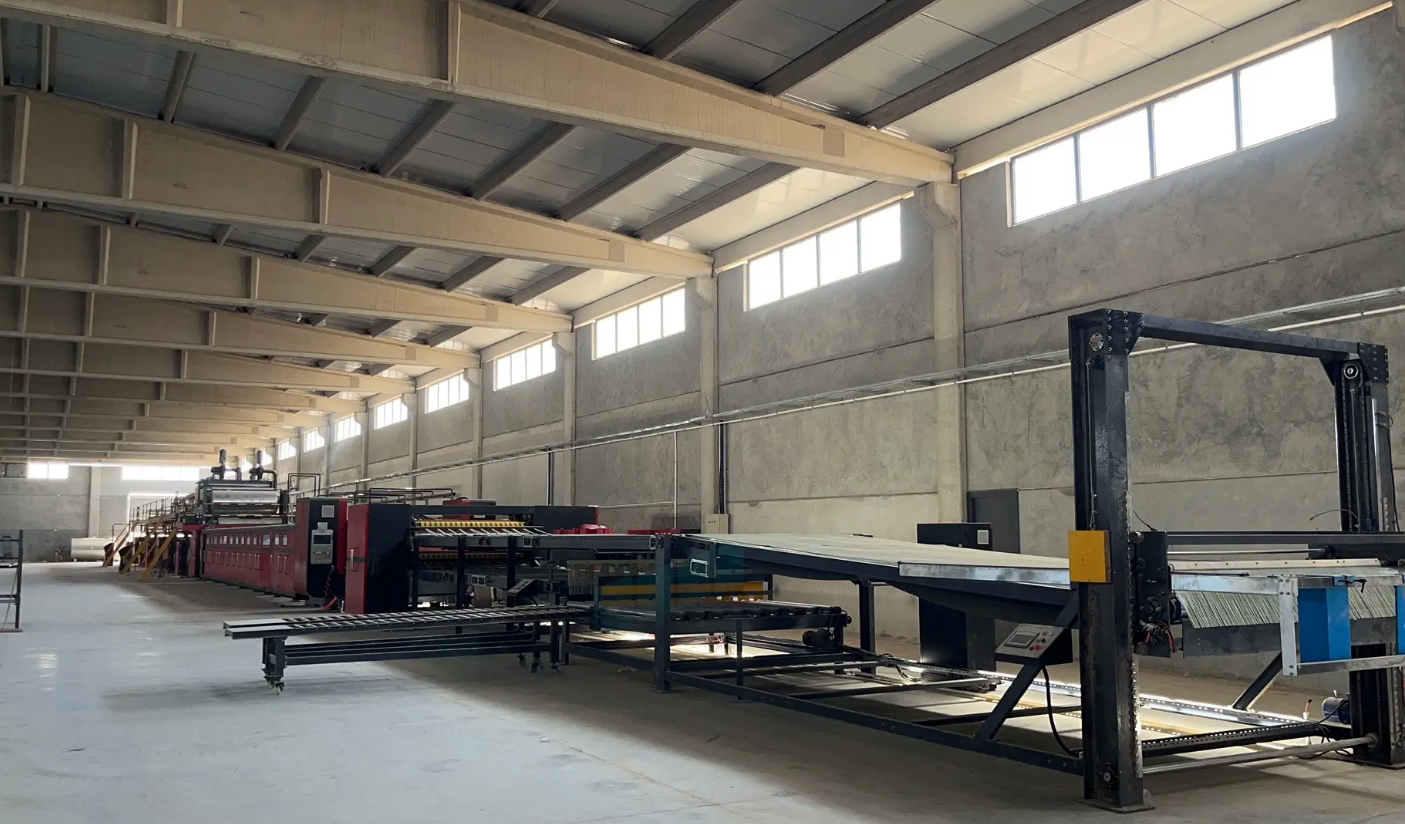
Maximizing Capacity in a Corrugated Cardboard Production Line Factory
One of the things you'll be looking for in a factory with a production line for corrugated cardboard is how to optimize productivity without sacrificing the quality of the product. This is because increased capacity translates to increased orders, more customers gained, and more profits gained. Of course, there is a limit to how much and how people work, and increased capacity is not simply a matter of increasing the pace of work or extending work hours. There needs to be sustainable and progressive enhancements in every single area of the factory for the entire operation to run with optimal efficiency. This guide aims to outline the more advanced industry and equipment solutions for increasing capacity in your factory.
Acquire Advanced and Appropriate Production Machinery
Having suitable equipment is critical to the success in developing a high capacity factory focusing on corrugated cardboard production. If the equipment is old, sluggish, and continually breaking down, it doesn’t matter how much tweaking is done to the factory workflow, nothing is going to improve. Modern production equipment makes a profit in the speed of production as it decreases the downtimes and waste to be disposed of, as well as performing multiple tasks with the same effort. Determine the equipment with computer automation systems, such as those from Huayu.
These systems help in reducing errors caused by sloppy manual adjustments. For example, HS-A Series fully computerized high speed printing gluing with auto bundle from Huayu possesses precise guidance and control. The auto detect function identifies small issues, like, an out of alignment paper roll or an imbalance of glue, and stops big issues from causing line halts. The auto bundle function also saves time by sorting and bundling completed products automatically, so workers don’t have to do it themselves. High-speed corrugated board production lines like Huayu’s equipment are also high-end. These lines are designed to manage and process large amounts of corrugated cardboard made to work seamlessly with minimal hold-ups. They also work with fully vacuum transfer high definition printing slotting die cutting machines, in which all operations of printing and cutting are done in one step instead of two. Integration of machines reduces time products spend moving from one machine to another in a process, and creates a steady production line. When selecting equipment, the speed should not be the primary and only category. The equipment should satisfy the specific needs of the factory.
For small box production, a small box production machine, like Huayu's HS-T Series, would be a better option than a big, all-purpose machine. The right machine will complement your workflow instead of hindering it, which will increase your capacity.
You should optimize the entire production process to unlock full potential
You could install the best machines available, but they will still disappoint if your production process is disorganized. A factory’s production line of corrugated cardboard is a case in and of itself, with storage of raw materials, printing, cutting, gluing, and packing and any gaps or bottlenecks in the steps will slow the entire line down. To optimize the flow, you have to put in place a seamless connectivity of all the parts with no gaps and no machines sitting idle. A good starting point is a process that you have already put in place. Where are the most common delays? Try to answer that question when it comes to moving raw paper to the line or when cutting can’t start yet because the printing machine isn’t done. You will achieve the most impact with the simplest, most cost-effective solutions if you find the bottlenecks. a storage area that is close to the production line would help a lot in addressing material delivery problems. Workers won’t have to walk far to fetch supplies.
If delays happen because of machine handoffs, choose machines with automatic synchronization, like Huayu's, which uses computers to control printing and gluing together, so one process doesn't wait for the other. Cutting out manual processes also helps the optimization. Error checking and product bundling are still manual processes in many old factories. This takes time and adds to error risk. Huayu machines like the HS-A Series have automatic bundling and error detection. Workers are no longer required for this, so they can concentrate on more productive tasks, like monitoring and fixing minor issues. This also avoids repetitive tasks. Imbalance also affects efficiency, so consider this in your schedule. Avoid overloading one side of your line while the other side sits idle. For example, with two printing machines, create balanced jobs to prevent underutilization. This helps the line maintain a smooth and steady workflow.
Reduce waste and rework to control losses
Ongoing waste and rework activities will also kill capacity in corrugated cardboard production. Reduce these intensive activities and strengthen your control.
Every cardboard sheet that gets recycled due to printing mistakes or cutting errors wastes chances to create products that can be sold. The time spent correcting errors could be time spent on creating new products. Improving your quality control processes can minimize these losses, Increasing your usable output from your time and raw materials.
The first quality control step is to address issues before they grow. Many new machines have their own quality checks built in. For example, Huayu equipment has an auto defect detection feature that checks products for uneven gluing, blurry printing, and misaligned cutting. It spots issues in real-time and informs operators immediately so they can fix the problem before the distribution of uncorrected flawed products. This feature eliminates waste and time that would have been spent identifying and sorting the flawed product finishes. However, there should be additional processes for quality control and monitoring that is separate from what machines can do. This involves having dedicated personnel to perform regular quality assessments and control on standardized random samples of the output with precision instruments.
Reputable suppliers like Huayu often integrate equipment compatibility with testing tools, helping to incorporate quality checks seamlessly within the production process. Take Huayu’s machines, for example. They meet ISO 9001 and EU CE standards, meaning they are built to produce consistent, high quality output, which minimizes the chances of defects to begin with. Lowering defects prevents the wasting of resources, allowing raw materials to be used more effectively. Machines equipped with advanced technology, such as Huayu’s high-definition printing slotting die cutting machines, precisely cut to avoid excessive waste. Instead of leaving large portions of unused cardboard as cutoff, these machines optimize the layout to use as much of the sheet as possible. This may seem like a small change, but the difference over time is significant. You can process more of your paper rolls into finished boxes, increasing your overall capacity.
Ensure Regular Maintenance and Equip Staff with Proper Training
Scheduled maintenance is vital, as even the best-designed equipment will breakdown without it. Machines that are not working—and the problems can be as simple as a broken motor or jammed roller—are a big waste of time and can stop your factory corrugated cardboard production line for hours. Staff that hasn’t received training can also inefficiently run machines, greatly increasing the chance of mistakes that will cause delays and damage the equipment.
Your line will run and maximize capacity smoothly with routine maintenance and training. Don’t wait for equipment failure before you conduct maintenance. Create a routine plan for checks and services. maintenance routines. This involves things like lubricating moving parts, cleaning sensors, and preemptively replacing components that are worn and about to fail. Many suppliers support this maintenance, too. For example, some Huayu customers benefit from remote maintenance services. Huayu experts connect to your machine’s system remotely to diagnose and fix minor problems. This way, you don’t wait for a technician to come on-site and reduce downtime. To ease maintenance without added cost, Huayu offers a one-year warranty covering maintenance repairs during that period. Staff training also holds importance. The best equipment won’t meet expectations if the operator isn’t trained to use all available functionality. For instance, workers who don’t understand auto-detect settings on Huayu machines will miss issues and send wastes more than necessary.
The remote maintenance options available allow help to be given over a phone, avoiding unnecessary help delays. All suppliers like Huayu give training support for staff. This includes on-site engineer training, installation support, and operational videos for day-to-day tasks. These resources help staff operate the system and solve tasks without needing to call in help. This agile response to a problem helps decrease the time problem solving takes.
Staff should be cross-trained to operate, and control, a set of multiple machines. This allows production to continue smoothly even if a worker or machine is absent, or if a machine needs additional help. Flexible teams, created through cross-training, make it possible to support the production process and keep it moving.
Conclusion
There is a lot possible for a factory for production of corrugated cardboard production. Achieving maximum the production capacity relies on the integration of many small, intelligent steps. There is no value in big changes. With a reliable supplier like Huayu, it is easier to access support and equipment which allow for the implemented changes and steps to be made.
To help factories become more productive and convert greater amounts of time and raw materials into finished products, they use high-grade equipment, upkeep tools, and safety procedures. The bottom line is to maximize efficiency instead of overworking. However, with effective goals, any factory should be able to optimize its capacity.
Table of Contents
- Maximizing Capacity in a Corrugated Cardboard Production Line Factory
- Acquire Advanced and Appropriate Production Machinery
- You should optimize the entire production process to unlock full potential
- Reduce waste and rework to control losses
- Ensure Regular Maintenance and Equip Staff with Proper Training
- Conclusion