 EN
EN

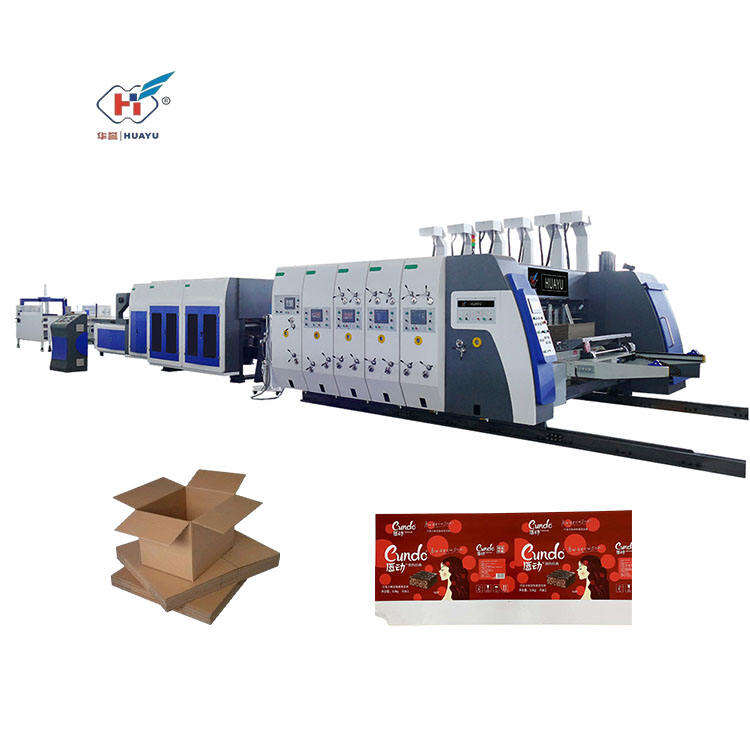
Understanding the Corrugated Cardboard Production Workflow
An efficient corrugated cardboard production line plant requires a systematic understanding of how raw materials transform into finished packaging. Optimizing this workflow directly impacts output quality, energy use, and operational costs.
Material Flow and Workflow Efficiency in Plant Design
Strategic placement of machinery minimizes cross-department material travel. A well-designed plant reduces conveyor belt distances by 30-40% compared to legacy layouts, with U-shaped production lines becoming an industry standard for just-in-time sheet delivery.
Integrating Lean Manufacturing Principles for Continuous Improvement
By implementing daily Kaizen audits and SMED (Single-Minute Exchange of Die) protocols, plants report:
- 28% faster machine changeovers
- 41% less paper waste during grade transitions
- 6.5% annual productivity growth (Corrugated Industry Benchmark Report 2024)
Streamlining Sheet Production and Converting Processes
Modern production lines utilize dual-lane sheeters capable of processing 450 lineal meters/minute. One leading system combines inline quality scanners with automated stacking, reducing manual sheet handling by 90%. Advanced A-Frame stackers achieve ±1mm alignment accuracy, critical for downstream die-cutting precision.
Core Machinery and Equipment Integration in Corrugated Production
The Corrugator Machine: Operation and Central Role in Board Formation
At the heart of every corrugated cardboard manufacturing operation sits the corrugator machine. This equipment combines hot rollers, adhesive application systems, and carefully controlled pressure settings to turn flat linerboard material into those characteristic fluted cardboard sheets we all recognize. Today's machines can bond materials with incredible precision around plus or minus 0.05 millimeters thanks to temperature sensors that constantly monitor conditions. Some high end units even manage to produce roughly 1200 meters of product each minute straight off the production line. Getting the heat right matters a lot here typically between 160 to 180 degrees Celsius when using steam heated rollers and keeping proper tension throughout prevents unwanted warping issues while ensuring glue gets deep enough into the material for strong bonds.
Supporting Units: Cutting, Scoring, Folding, and Gluing Systems
Secondary systems synchronize with corrugator output through PLC-driven coordination:
- Rotary die-cutters achieve ±0.1 mm repeatability for intricate box patterns
- Computerized gluers maintain 98% adhesive coverage consistency
- Laser-guided scoring heads adjust in real-time for material thickness variations
| Parameter | Tolerance Range | Impact on Throughput |
|---|---|---|
| Cut Length Accuracy | ±0.3 mm | 0.5-3% Waste Reduction |
| Glue Drying Time | 8-12 seconds | 15% Speed Optimization |
| Score Depth | 40-60% of sheet | 20% Structural Integrity Gain |
Best Practices for Equipment Placement and Process Integration
Strategic layout configurations reduce material handling by 18-25% compared to conventional linear arrangements:
- Position slitter-scorers 10 m from corrugator discharge
- Implement U-shaped workflow for sheet-to-box conversion
- Maintain 3:1 ratio of finishing units to corrugator output capacity
Enabling In-House Board Production Through Seamless Corrugator Integration
Plants achieving full vertical integration reduce lead times by 40% through synchronized line speeds and automated board quality validation. Cross-machine communication protocols enable <0.5% production mismatch between corrugator output and finishing system capacity.
Automation and Smart Technology in Corrugated Manufacturing
The Rise of Automation in Corrugated Cardboard Production Line Optimization
Modern corrugated plants achieve 22% faster production speeds through integrated robotics and IoT-enabled control systems. Industry 4.0 principles now guide automated workflows where smart manufacturing platforms coordinate corrugators with finishing equipment in real time, reducing manual intervention by 63% in high-output facilities.
Data Analytics and Predictive Maintenance for Uptime Assurance
Predictive algorithms analyze 15+ machine parameters including roller temperatures and motor vibrations, enabling 92% accurate failure forecasts. This approach reduces unplanned downtime by 34% compared to reactive maintenance models while extending equipment lifespan through optimized service intervals.
AI-Driven Process Control and Closed-Loop Feedback Systems
Self-adjusting systems now maintain optimal board moisture levels (±0.3%) and glue application rates (26-30 gsm) using real-time sensor data. Machine learning models optimize energy consumption during steam heating cycles, cutting thermal costs by 18% without compromising fluting geometry.
Process Control and Quality Assurance for Consistent Output
Precision in Corrugating Rolls: Pressure and Gap Adjustments
The production lines for corrugated cardboard need really fine control over roll pressures and gaps when forming those flutes. Even tiny deviations matter a lot - just 0.1 mm off in the gap width can cut board strength by around 15 to 20 percent, something the industry has measured time and again. That's why modern corrugating machines now come equipped with laser guided systems that keep things aligned within about 0.05 mm throughout their constant operation day after day. These systems help make sure both single wall and double wall boards come out consistently shaped every time they roll off the line.
Facility Layout and Integrated Operations for Maximum Throughput
Designing an efficient corrugated cardboard production line plant requires strategic coordination between physical layout and operational workflows. Every square meter must be optimized to minimize material handling costs while maintaining seamless integration between production stages.
Strategic Space Planning and Material Flow Optimization
These days, most modern production spaces use either U-shaped arrangements or straight line setups to cut down on how far things need to travel between the corrugator machine, conversion gear, and final assembly spots. We've noticed that when there are dedicated buffer areas for those half-done rolls, it really helps avoid traffic jams when business picks up. And having separate cross docking points for incoming raw materials means companies don't have to spend so much on extra storage space. According to some industry research from Packaging Trends in their 2024 report, getting this material movement right can actually save anywhere from 18% to 25% on running costs compared to old fashioned warehouse style operations. Makes sense when you think about it.
Best Practices in Corrugated Plant Layout Design
- Position slitter-scorers and die-cutters within 15m of the corrugator exit to prevent board warping
- Dedicate 20-25% of floor space to quality control stations near critical processes
- Use elevated walkways to separate personnel traffic from automated guided vehicle (AGV) paths
Synchronizing Production Schedules with Supply Chain Logistics
Leading manufacturers integrate ERP systems with supplier portals to align linerboard deliveries with real-time corrugator speeds. This just-in-time approach reduces raw material inventory by 30-40% while maintaining 99%+ machine utilization rates.
Real-Time Monitoring and Inventory Turnover Efficiency
IoT-enabled sensors on finished goods pallets track stock levels across storage bays, automatically triggering replenishment orders when capacity drops below 15%. This closed-loop system ensures 2-hour inventory turnover during high-volume runs.
Designing for Scalability and Future Expansion
Modular equipment arrangements allow plants to add 3rd or 5th flutes without disrupting existing lines. Forward-thinking designs reserve 10-15% of floor space for emerging technologies like AI-guided quality scanners or robotic palletizers.
FAQ Section
Frequently Asked Questions
What are the key stages in corrugated cardboard production?
The key stages include corrugating, laminating, and converting, where paper is transformed into single-face boards, bonded to create composite boards, and cut into custom sizes.
How does automation impact corrugated cardboard production?
Automation enhances production speed by 22% by integrating robotics and IoT control systems, reducing manual intervention and aligning equipment with real-time workflows.
Table of Contents
- Understanding the Corrugated Cardboard Production Workflow
- Core Machinery and Equipment Integration in Corrugated Production
- Automation and Smart Technology in Corrugated Manufacturing
- Process Control and Quality Assurance for Consistent Output
- Facility Layout and Integrated Operations for Maximum Throughput
- FAQ Section
- Frequently Asked Questions