 EN
EN

Introduction
Heavy-duty packaging needs strong equipment to handle tough materials and high production demands. If you're in the market for a machine that can tackle thick corrugated boards day in and day out, you'll need to look beyond basic models. Let's break down what makes a reliable heavy-duty solution and how to match it with your specific needs.
Material compatibility matters most
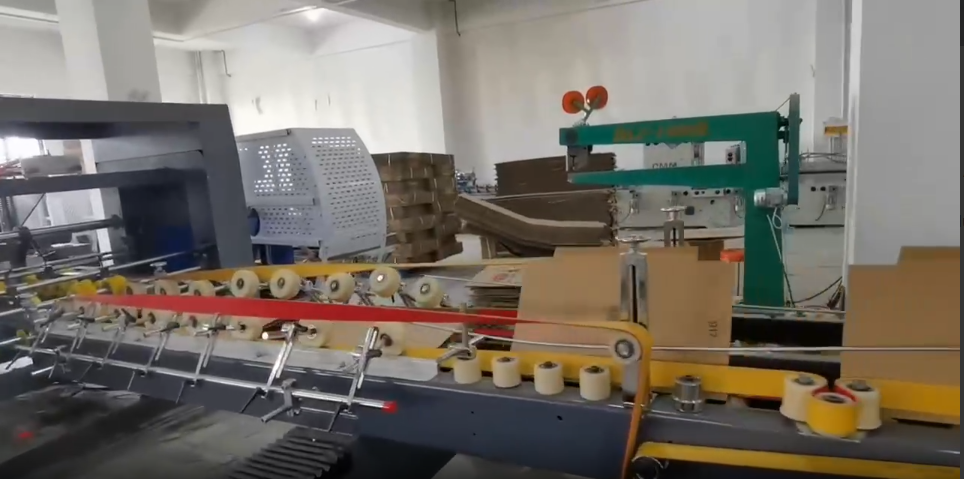
First things first: check what the machine can handle. You'll want a corrugated box folder gluer machine that works with 200-800gsm materials easily. For heavy-duty jobs like shipping electronics or industrial parts, look for models that manage 5-ply boards or even triple-wall corrugated. Remember, a machine that struggles with thick materials will only slow you down and create waste.
Speed vs. precision balance
Don't get dazzled by max speed numbers alone. A machine claiming 350m/min sounds impressive, but can it maintain that pace with heavy materials? Industry insiders suggest prioritizing consistent performance over peak speeds. For most heavy-duty operations, 150-250m/min is realistic while keeping accuracy within ±0.5mm – crucial for avoiding misaligned folds on large boxes.
Automation that actually helps
Modern machines come with all sorts of buttons, but which automation features are worth the investment? Look for quick-change systems that let you switch box sizes in under 10 minutes. Auto-correct sensors that detect misfeeds can save hours of frustration. Remember, the best automation reduces human error without complicating simple tasks.
Reliability counts when deadlines loom
This is where experience matters. Companies with decades in the industry understand what breaks down under pressure. For example, suppliers with 25 years of manufacturing background have likely solved common durability issues. Check if they have a track record in your industry – someone exporting to 100+ countries probably builds machines that handle different climates and workloads.
Selection steps that save time
Start by calculating your real needs: How many boxes per day? What's the maximum board thickness? Then visit suppliers who let you test your actual materials. Ask for references from similar businesses – a food packaging company's needs differ from automotive parts suppliers. Finally, compare total cost of ownership, not just purchase price – cheaper machines often cost more in maintenance and downtime.
Real-world applications
Take the example of a pharmaceutical manufacturer upgrading to handle vaccine shipments. They needed to run 700gsm insulated boxes 24/7. By choosing a machine with reinforced feeding rollers and heat-resistant glue systems, they increased output by 40% while reducing errors. Another case: a furniture company switched to a modular system that handles both standard cartons and custom-sized packaging, eliminating the need for two separate machines.
Conclusion
Choosing the right heavy-duty folder gluer means balancing material handling, speed, and smart automation. Don't underestimate the value of proven reliability – especially when production deadlines hit. By focusing on your specific application and verifying performance with real materials, you'll find a machine that grows with your business. The best investments aren't just about today's needs, but tomorrow's opportunities.